

The short answer: boil fresh, shucked corn on the cob for 3 to 5 minutes after the water returns to a boil. Corn still in the husk needs about 10 minutes, and frozen cobs need 5 to 8 minutes.
- Key numbers: large pot · at least 6 cups of water · 3 to 5 minutes for fresh ears · 10 minutes in the husk · 5 to 8 minutes frozen · 3 to 4 days in the fridge
- Done test: bright yellow, plump kernels that burst when pierced
- Free and paid next step: get the free recipe book starter pages (we email it to you) to save these times on a recipe card, or plan a cookout with the Meal Planner & Grocery List ($3.99).
Our picks for how long to boil corn on the cob
 Starter pick
Printables
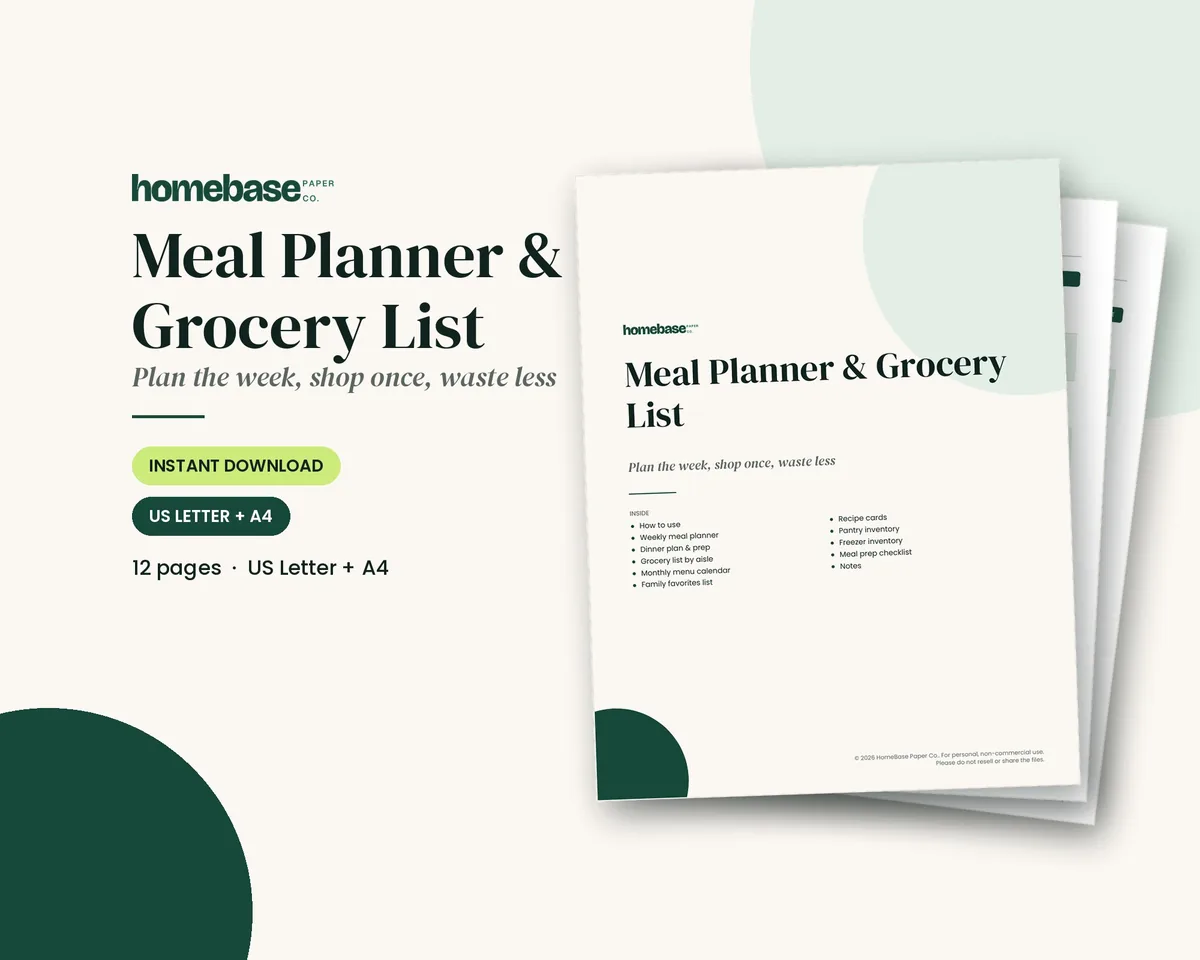
Meal Planner & Grocery List
Weekly meals, a grocery list sorted by aisle, and pantry and freezer inventories so you shop once and waste less.

Printables
Family Recipe Binder
Section dividers, four recipe page layouts with room for the family story, 4x6 and 3x5 cards and a conversion chart - print it or type into the fillable version.
 Save 33%
Bundles
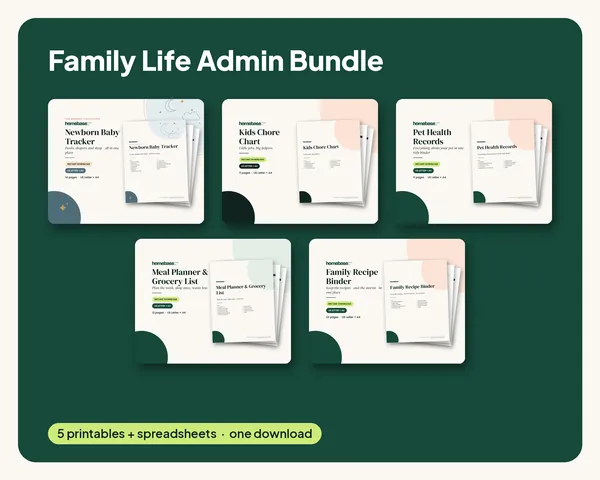
Family Life Admin Bundle
Baby logs, chore charts, pet records, meal plans and family recipes in one tidy set.
How long to boil corn on the cob, plus prices and storage times, were checked November 4, 2026. The sections below cover a boil-time chart for every kind of corn, step-by-step boiling, batch sizes, butter and toppings, cost per ear, nutrition and storage.
Corn on the cob boil time chart
Start the timer when the water comes back to a full boil after the corn goes in.
| Type of corn | Boil time | Notes |
|---|---|---|
| Fresh summer corn, shucked | 3 to 4 minutes | Sweetest and most tender; needs the least time |
| Grocery store corn, shucked | 4 to 5 minutes | Most supermarket ears land here |
| Older or starchy ears, shucked | 5 to 7 minutes | Taste a kernel at 5 minutes |
| Corn in the husk | About 10 minutes | Husk insulates the kernels; peel after cooling slightly |
| Frozen corn on the cob | 5 to 8 minutes | Cook straight from frozen, no thawing |
| Frozen cut kernels | 2 to 3 minutes | Drain well before buttering |
| Mini or halved cobs | 3 to 4 minutes | Snapped halves cook a little faster |
| Cold-water start | 1 to 2 minutes after boiling | Put ears in cold water, bring to a boil, then time |
| Keep-warm hold | Up to 10 minutes off heat | Turn the burner off and cover the pot |
How to boil corn on the cob, step by step
- Shuck the corn. Pull the husks down and snap them off at the stem, then rub away the silk with your hands or a damp paper towel.
- Fill a large pot. Use at least 6 cups of water, or about two-thirds of an 8-quart stockpot, so the ears sit fully under water.
- Bring the water to a rolling boil. Leave it unsalted or add a pinch of sugar if your corn is not very sweet.
- Add the corn. Lower the ears in with tongs. Snap long ears in half if they do not fit.
- Start timing when the boil returns. Cook 3 to 5 minutes for fresh shucked corn, using the chart above for husked or frozen ears.
- Check a kernel. Pierce one with a knife tip. It should burst with juice and look glossy and bright.
- Lift out and butter right away. Drain on a towel for a few seconds, then butter and salt while the corn is steaming hot.
How long to boil frozen corn on the cob: 5-8 minutes
Frozen cobs go straight into the pot, with no thawing needed.
- Bring a large pot of water to a rolling boil, enough to cover the ears completely.
- Add the frozen cobs and wait for the water to return to a boil. This is when the timer starts.
- Cook 5 to 8 minutes. Smaller, thinner cobs sit near 5 minutes and thick, fully frozen ears near 8.
- Test a kernel. It should be hot all the way through, plump and bright yellow.
- Drain, butter and serve right away.
If the cobs have partly thawed in the fridge, start checking at 4 minutes. Frozen cut kernels are different: they need only 2 to 3 minutes, so don't use the cob time for a bag of kernels.
How many ears to cook at once
Crowding the pot drops the water temperature, so the corn sits in warm water instead of boiling. These batch sizes keep the boil steady:
| Pot size | Water | Whole ears | Halved ears |
|---|---|---|---|
| 4-quart saucepan | 8 to 10 cups | 2 to 3 | 4 to 6 |
| 6-quart Dutch oven | 12 to 14 cups | 3 to 4 | 6 to 8 |
| 8-quart stockpot | 16 to 20 cups | 4 to 6 | 8 to 12 |
| 12-quart stockpot | 24 to 30 cups | 8 to 10 | 16 to 20 |
For a crowd, boil in back-to-back batches and hold finished ears in a cooler lined with a clean towel. They stay hot while the rest of the batches cook.
Salt, sugar or milk in the water?
You do not need any of them. Many cooks skip salt in the water and salt at the table instead, where you can taste it. A spoonful of sugar can help older ears taste sweeter. Some cooks add a splash of milk and a pat of butter to the pot for richer, creamier corn, which is a nice touch for a holiday table but not required.
Butter and topping ideas
Plain butter and salt is the classic, but corn takes almost any flavor. Roll a hot ear in one of these:
| Topping | What to mix |
|---|---|
| Garlic herb butter | 2 tbsp soft butter, 1 minced garlic clove, chopped parsley |
| Chili lime | Butter, lime zest and juice, chili powder, salt |
| Street corn style | Mayo, cotija, chili powder, lime; see our Mexican street corn recipe |
| Parmesan | Butter, finely grated Parmesan, black pepper |
| Honey butter | 2 tbsp butter, 1 tsp honey, pinch of salt |
| Cajun | Butter, Cajun seasoning, a squeeze of lemon |
| Everything bagel | Butter, everything bagel seasoning |
| Brown butter and sage | Butter cooked until nutty, with crisp sage leaves |
| Pesto | A thin swipe of basil pesto |
| Smoked paprika | Butter, smoked paprika, flaky salt |
Leftover kernels are great in a corn casserole, stirred into cornbread batter or folded into a potato salad.
What corn on the cob costs per ear
Corn is one of the cheapest sides you can serve. The USDA AMS National Retail Report for grocery ads running October 24 to November 5, 2026 listed sweet corn at an average $0.55 per ear sold loose and $3.06 for a 4- to 5-ear tray. Butter is from the BLS September 2026 US city average of $3.96 per pound.
| Item | Price checked Nov. 4, 2026 | Per ear |
|---|---|---|
| Sweet corn, loose | $0.55 each | $0.55 |
| Sweet corn, 4 to 5 ear tray | $3.06 per tray | $0.61 to $0.77 |
| Butter, 1/2 tbsp per ear | $3.96 per lb (32 tbsp) | about $0.06 |
| Loose ear with butter | about $0.61 |
That makes 8 buttered ears for a family cookout about $4.90 total. Tracking prices like this in a grocery price book shows when corn is at its cheapest, and it fits easily into meal planning on a budget. For more ways to cut the bill, see how to grocery shop on a budget.
Corn on the cob nutrition
One medium ear (6 3/4 to 7 1/2 inches) yields about 102 grams of kernels. Based on USDA FoodData Central values for yellow sweet corn, that is roughly:
| Per medium ear | Amount |
|---|---|
| Calories | 88 |
| Carbohydrate | 19 g |
| Protein | 3.3 g |
| Fiber | 2 g |
| Fat | 1.4 g |
Butter adds about 50 calories per half tablespoon.
Storing and reheating boiled corn
- Fridge: refrigerate cooked corn within 2 hours and use it within 3 to 4 days, the window USDA FSIS gives for leftovers. Wrap ears in foil or cut the kernels into a sealed container.
- Freezer: cut the kernels off, spread them on a sheet pan to freeze, then bag them. Use within a few months for the best texture, as the FoodSafety.gov cold storage chart notes frozen food stays safe but loses quality over time.
- Reheat: drop cold ears into boiling water for 1 to 2 minutes, or microwave a wrapped ear for about 1 minute.
- Raw corn: keep unshucked ears in the fridge and cook them within a day or two. The sugars turn to starch the longer corn sits.
Plan the cookout and save the recipe
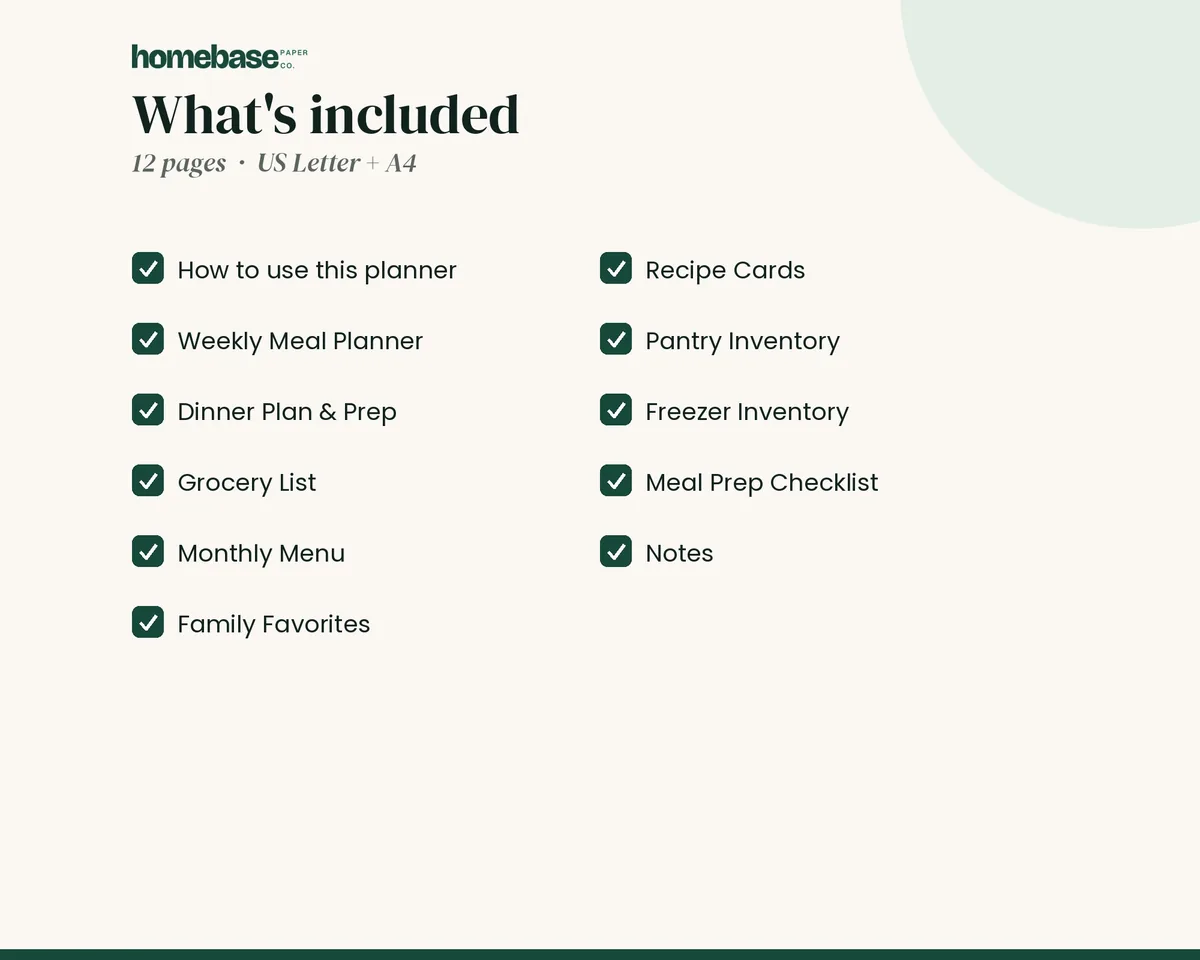
- Meal Planner & Grocery List, $3.99. A weekly menu grid and an aisle-sorted grocery list, so corn, butter and the rest of the cookout land on one list.
- Family Recipe Binder, $6.99. Fillable recipe pages and cards for your boil times, butter blends and favorite sides.
- Family Life Admin Bundle, $15.99 (
$23.95bought separately). Includes both printables above plus three more family organizers.
Browse every meal planner and recipe printable in our printables shop.
Meal Planner & Grocery List
Weekly meals, a grocery list sorted by aisle, and pantry and freezer inventories so you shop once and waste less.
$3.99 · Instant download. Print at home or fill it in on screen. Or browse the full Home & Organizing collection.
Frequently asked questions
How long do you boil corn on the cob? Boil fresh, shucked corn on the cob for 3 to 5 minutes once the water returns to a boil. Very fresh summer corn is ready closer to 3 minutes, and older or starchier ears take closer to 5 to 7 minutes.
How long do you boil corn on the cob in the husk? Boil corn in the husk for about 10 minutes. The husk slows the heat, so it needs roughly twice as long as shucked corn. Let it cool for a few minutes, then pull the husk and silk off together.
How long do you boil frozen corn on the cob? Boil frozen corn on the cob for 5 to 8 minutes, straight from the freezer with no thawing. Frozen cut kernels need only 2 to 3 minutes.
Should you salt the water for corn on the cob? Salting the water is optional, and many cooks skip it. Corn is sweet on its own, so salt it at the table with butter instead, where you can taste how much it needs.
How do you know when corn on the cob is done? Corn is done when the kernels turn a brighter yellow, look plump and glossy, and a kernel pierced with a fork or knife tip bursts with juice. If the kernels look wrinkled or dented, it has cooked too long.
Can you overcook corn on the cob? Yes, corn left boiling too long turns chewy and starchy and loses its sweetness. Pull it at 3 to 5 minutes, or turn the heat off and let it sit in the hot water for up to 10 minutes to keep it warm.
How many ears of corn fit in one pot? A large 8-quart stockpot holds 6 to 8 ears if you snap them in half. Use at least 6 cups of water and cook 3 to 4 whole ears at a time in smaller pots so the water comes back to a boil quickly.
How long does cooked corn on the cob last in the fridge? Cooked corn on the cob keeps 3 to 4 days in the refrigerator. Refrigerate it within 2 hours of cooking, wrapped or in a sealed container, or cut the kernels off and freeze them for later.
How much does corn on the cob cost per ear right now? Grocery ads in the USDA retail report for the week ending November 5, 2026 averaged $0.55 per ear sold loose and $3.06 for a 4- to 5-ear tray, about $0.61 to $0.77 per ear. Butter adds about 6 cents an ear.
What printable helps plan a corn on the cob cookout? The Meal Planner & Grocery List is $3.99. It has a weekly menu grid and an aisle-sorted grocery list, so the corn, butter and sides for a cookout land on one list.
Where can I save my corn on the cob recipe and timing notes? The Family Recipe Binder is $6.99. Its fillable recipe pages and cards hold your boil times, butter blends and topping ideas so you are not looking them up every summer.
Is there a bundle with both the meal planner and recipe binder? The Family Life Admin Bundle is $15.99, down from $23.95 bought separately. It includes the Meal Planner & Grocery List and the Family Recipe Binder plus three more family organizers.
Do you have to thaw frozen corn on the cob before boiling it? No, you do not have to thaw frozen corn on the cob before boiling it. Drop the frozen cobs into boiling water, wait for the boil to return, and cook them 5 to 8 minutes. Partly thawed cobs may be done in about 4 minutes, so check a kernel early.
Free printable
Save the family favorites: get the free recipe book pages
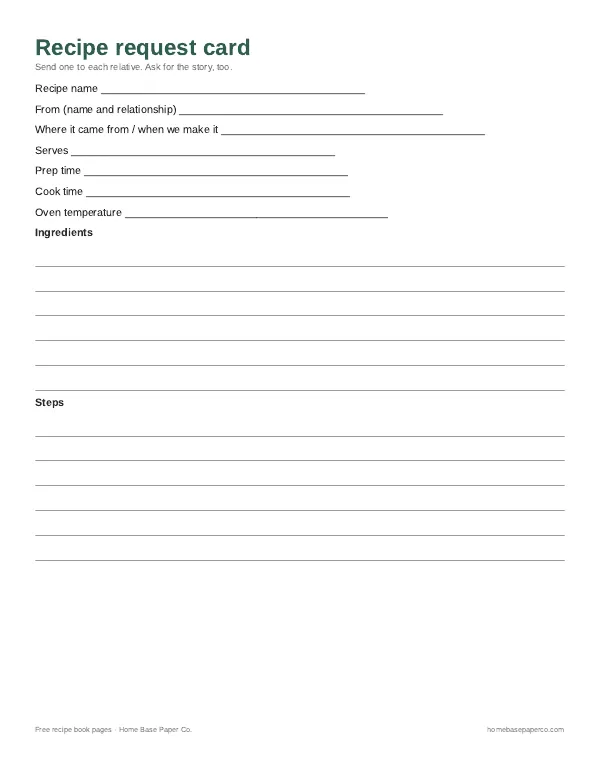
Printable recipe pages and a recipe request card to send to relatives, so the dishes everyone loves end up in one book. You'll also get our weekly HomeBase email with easy meal planning ideas and family recipe tips.
Sources
- USDA FoodData Central (Corn, sweet, yellow, raw, FDC ID 169998) fdc.nal.usda.gov
- USDA AMS: National Retail Report, Specialty Crops ams.usda.gov
- FoodSafety.gov: Cold food storage chart foodsafety.gov
- USDA FSIS: Leftovers and food safety fsis.usda.gov