

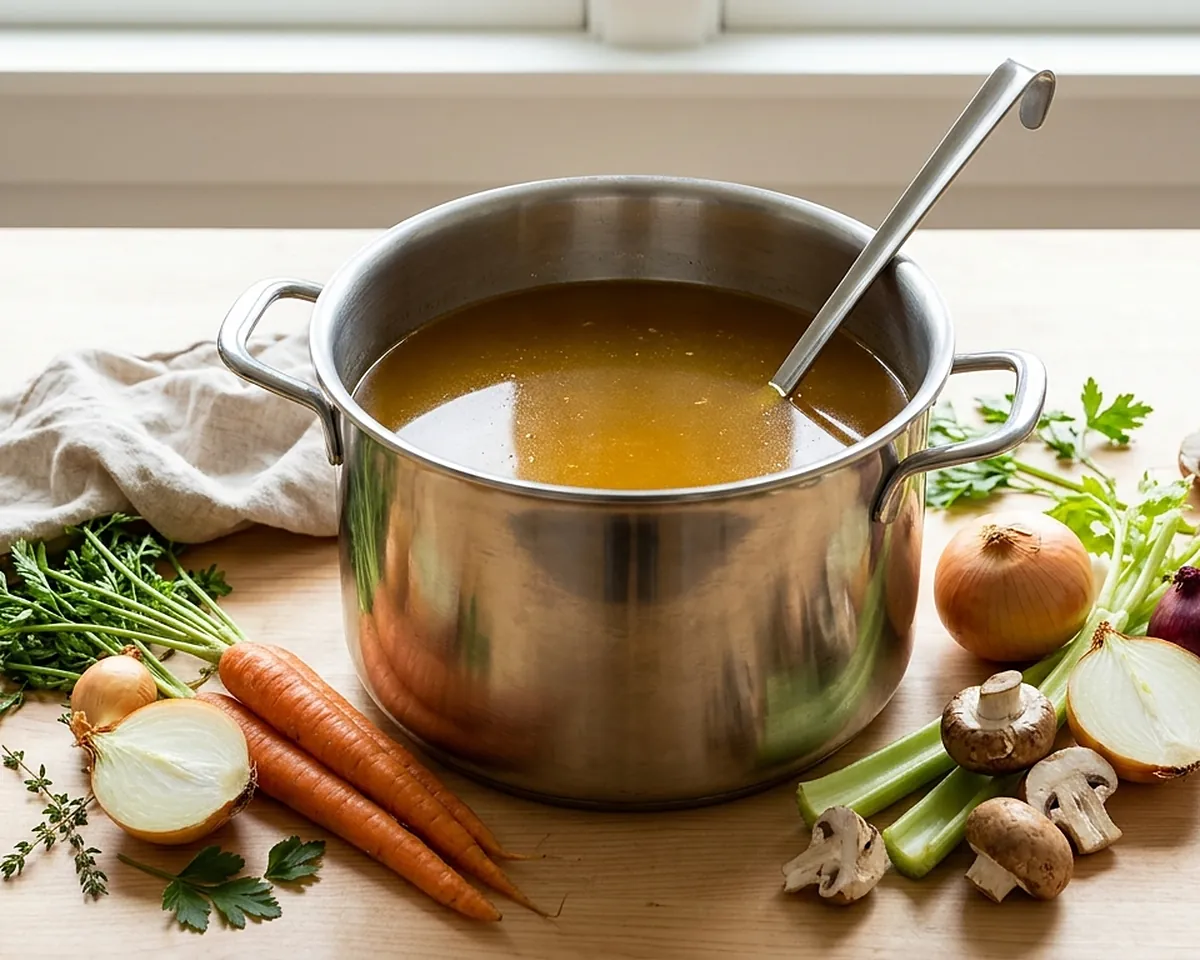
The short answer: to make vegetable stock, cover 2 onions, 3 carrots, 3 celery ribs, mushrooms, garlic and herbs with 12 cups of cold water, bring it to a gentle simmer, cook uncovered for about 1 hour, then strain. You get about 8 to 10 cups of unsalted stock for soups, risotto and rice.
- Key numbers: 10 ingredients · 15 minutes prep · 1-hour simmer · makes about 8 to 10 cups · 3 to 4 days in the fridge, 2 to 3 months frozen
- Top moves: start with cold water, never boil hard, skip potatoes and cabbage, and season the dish instead of the stock
Prep time: 15 minCook time: 1 hrTotal time: 1 hr 15 minServings: 8 to 10 cups
Homemade vegetable stock costs a few dollars of everyday produce, or almost nothing if you save scraps, and it gives you full control over the salt. Storage times were checked November 13, 2026, against the FoodSafety.gov cold storage chart. Below: the ingredients, the method, a scrap-bag version, what to leave out, a roasted variation and how to store it.
Vegetable stock ingredients
Makes about 8 to 10 cups.
| Ingredient | Amount |
|---|---|
| Yellow onions, quartered (skins on for color) | 2 large |
| Carrots, cut in 2-inch pieces | 3 medium |
| Celery ribs with leaves, cut in 2-inch pieces | 3 |
| Leek greens or 1 extra onion, rinsed well | 1 cup |
| Cremini or white mushrooms, halved | 8 ounces |
| Garlic, halved crosswise | 1 head |
| Tomato, quartered (or 1 tablespoon tomato paste) | 1 |
| Fresh parsley stems and a few thyme sprigs | 1 small handful |
| Bay leaves and whole black peppercorns | 2 bay leaves, 1 teaspoon peppercorns |
| Cold water | 12 cups |
Directions for homemade vegetable stock
- Prep the vegetables. Rinse everything well, then cut the onions, carrots, celery, leek and mushrooms into large chunks. No peeling needed.
- Sweat them (optional). Warm 1 tablespoon of olive oil in a large stockpot over medium heat and cook the vegetables for 8 to 10 minutes, stirring, until they smell sweet. This deepens the flavor; skip it for a lighter stock.
- Add cold water and aromatics. Add the garlic, tomato, herbs, bay leaves, peppercorns and 12 cups of cold water.
- Bring to a gentle simmer. Heat until small bubbles break the surface, then lower the heat. Do not let it boil hard, which clouds the stock and can turn it bitter.
- Simmer uncovered for about 1 hour. Push the vegetables under now and then. After 45 minutes to 1 hour they have given up most of their flavor.
- Strain. Pour through a fine-mesh strainer into a large bowl, pressing lightly on the vegetables. Discard the solids or compost them.
- Taste and cool. Taste and leave it unsalted for cooking, or add salt if you plan to sip it as broth. Cool quickly in shallow containers and refrigerate within 2 hours.
Times: 15 minutes prep · 1 hour cook · 1 hour 15 minutes total.
Rate this recipe
How to make vegetable stock from scraps (the freezer-bag method)
Keep a gallon freezer bag going and add clean scraps as you cook through the week:
Affiliate links: we may earn a small commission. As an Amazon Associate we earn from qualifying purchases. Details.
Airtight glass containers with lids keep leftovers fresh and can go from the fridge to the microwave.
- Good scraps: onion ends and skins, carrot peels and tops, celery ends and leaves, leek greens, mushroom stems, garlic skins, fennel fronds, parsley and cilantro stems, tomato cores, corn cobs.
- Leave out: anything moldy or slimy, potato peels (they cloud the stock), and big amounts of cabbage, broccoli, cauliflower or Brussels sprouts (they turn it sulfury and bitter).
When the bag holds about 8 cups of scraps, put them in a pot with 12 cups of cold water, 2 bay leaves and a teaspoon of peppercorns, and follow steps 4 through 7. Scrap stock varies batch to batch, so taste it before you season the dish.
What to leave out of vegetable stock
| Vegetable | Why to skip it or use a little |
|---|---|
| Broccoli, cabbage, cauliflower, Brussels sprouts | Sulfur flavor and bitterness after a long simmer |
| Potatoes and potato peels | Starch makes stock cloudy and gummy |
| Beets and red onion skins in quantity | Turn the stock pink or purple |
| Bell peppers in quantity | Can overpower everything else |
| Strong herbs like rosemary | A little goes a long way; add one sprig at most |
| Salt | Added later, so reduced soups and sauces don't end up too salty |
Roasted vegetable stock (darker and richer)
For gravy, French onion soup or stews, roast the onions, carrots, celery and mushrooms on a sheet pan at 425°F for 30 to 40 minutes, until browned at the edges. Stir 1 tablespoon of tomato paste into the pot, add the roasted vegetables and 1 cup of water to loosen the browned bits from the pan, then continue with steps 3 through 7. Roasted stock pairs well with our French onion soup and split pea soup.
Stock ratio, yield and cost
| Batch | Vegetables | Water | Simmer | Yield |
|---|---|---|---|---|
| Small (4-quart pot) | About 4 cups | 6 cups | 45 minutes to 1 hour | About 4 to 5 cups |
| Standard (8-quart pot) | About 8 cups | 12 cups | About 1 hour | About 8 to 10 cups |
| Scrap bag | About 8 cups frozen scraps | 12 cups | About 1 hour | About 8 to 10 cups |
Keep roughly 2 parts water to 1 part vegetables by volume. More water gives a thinner stock; fewer vegetables give a weak one. A scrap-bag batch uses produce you already paid for, which is the cheapest stock you can make.
How to store and freeze vegetable stock
| Storage | How long | Tip |
|---|---|---|
| Refrigerator | 3 to 4 days | Cool in shallow containers first |
| Freezer | 2 to 3 months for best quality | Leave 1 inch of headspace in jars and containers |
| Ice cube trays | 2 to 3 months | About 2 tablespoons per cube for pan sauces |
| Reheating | Bring to a boil | Use thawed stock within 3 to 4 days |
Times follow the soup and stew row of the FoodSafety.gov cold storage chart, and the USDA FSIS leftovers guide says to refrigerate cooked food within 2 hours. Freeze it in 1-cup and 2-cup portions so you thaw only what a recipe needs.
What to make with vegetable stock
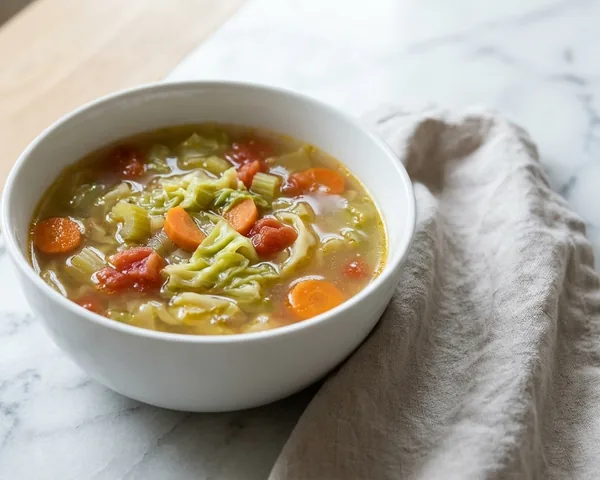
- Soups: vegetable soup, minestrone, lentil soup, butternut squash soup, tomato soup and cabbage soup all start with stock.
- Grains: cook rice, quinoa or farro in stock instead of water, or stir it into risotto a ladle at a time.
- Sauces and gravy: reduce roasted stock with a little butter and flour for a meat-free gravy.
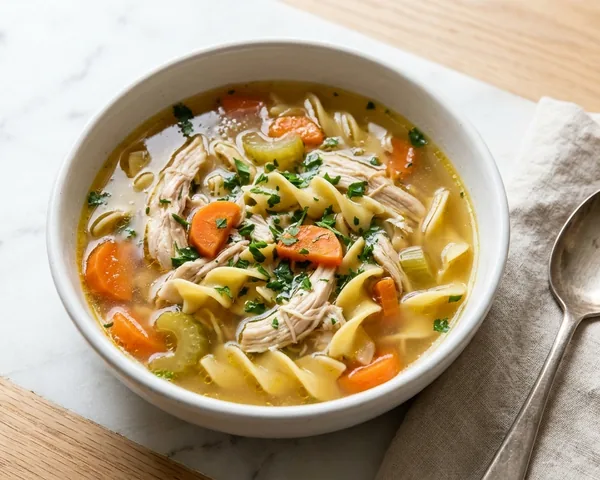
Browse more in the soup recipes collection, the soups and stews hub and the vegetarian recipes hub. For a chicken version, see how to make chicken soup.
Stretch the grocery budget with homemade stock
Saving scraps for stock is one of the easiest ways to use the whole vegetable you paid for. Pair a stock day with a pot of soup and you have two or three dinners and lunches from one shopping trip.
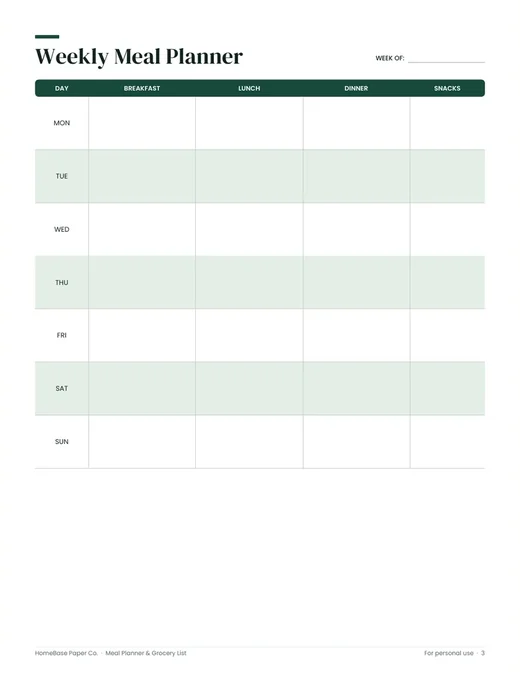
Browse all Home & organizing printables.
More soups you'll love
Frequently asked questions
What vegetables are best for vegetable stock? Onions, carrots and celery are the base of most vegetable stock. Leeks, mushrooms, garlic, tomatoes, fennel and parsley stems add depth. Keep strong or starchy vegetables like broccoli, cabbage, potatoes and beets out, or use only a little.
How long should vegetable stock simmer? Simmer vegetable stock gently for about 45 minutes to 1 hour. Vegetables give up most of their flavor in that time, and much longer simmering can make the stock taste bitter or muddy.
What is the difference between vegetable stock and vegetable broth? In home cooking the two are used interchangeably. Stock is usually left unsalted so you can season the final dish, while broth is seasoned to sip or use as is. This recipe makes an unsalted stock; add salt to taste if you want broth.
Can I make vegetable stock from scraps? Yes. Save clean onion ends and skins, carrot peels, celery leaves, leek greens, mushroom stems and herb stems in a bag in the freezer. When you have about 8 cups, simmer them with 12 cups of water and a bay leaf for 1 hour and strain.
How long does homemade vegetable stock last? Homemade vegetable stock keeps 3 to 4 days in the refrigerator or 2 to 3 months in the freezer for best quality, in line with the FoodSafety.gov cold storage chart for soups. Cool it quickly and refrigerate within 2 hours.
Why is my vegetable stock bitter? Bitter vegetable stock usually comes from simmering too long, boiling hard, or using too many cabbage-family vegetables, onion skins or herb stems. Keep it at a gentle simmer for about 1 hour and go light on strong scraps.
Should I roast the vegetables first? Roasting is optional. Roasting the onions, carrots and mushrooms at 425°F for 30 to 40 minutes before simmering gives a darker, deeper stock that works well in gravy, French onion soup and stews.
Newsletter
Get the HomeBase email
Fresh tips three times a week, Mon/Wed/Fri, with our deals and new products, from printables, spreadsheets and bundles to paperback planners and apparel, plus simple home, money and planning tips.
Sources
- FoodSafety.gov: Cold food storage charts foodsafety.gov
- USDA FSIS: Leftovers and Food Safety fsis.usda.gov
Made this? Tell us how it went
Your notes help the next cook: what you changed, how long it took, how it turned out.