

The short answer: yes, oatmeal is good for you. Plain oats are a whole grain with a soluble fiber called beta-glucan, and half a cup of dry rolled oats has about 152 calories, 5 grams of protein and 4 grams of fiber. The toppings decide whether the bowl stays healthy.
- Key benefits: filling fiber, a heart-health claim the FDA allows for oat beta-glucan, and minerals like magnesium and iron
- Make it healthier: choose steel-cut or old-fashioned oats, top with fruit and nuts instead of brown sugar, and add milk, yogurt or an egg for protein
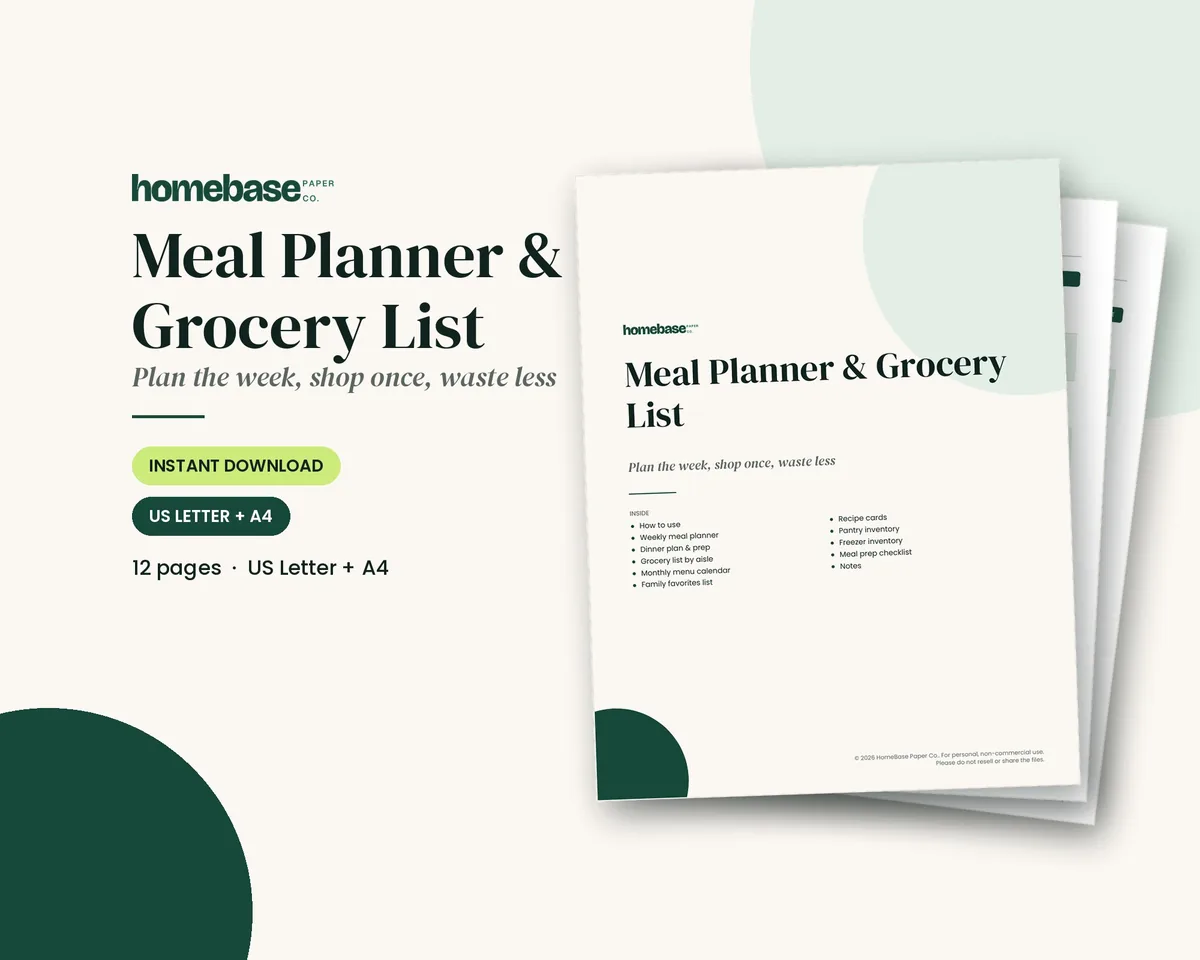
- Free download: get the free calorie tracker (we email it to you). Plan your breakfasts with the Meal Planner & Grocery List ($3.99).
Our picks for is oatmeal good for you
 Starter pick
Printables
Meal Planner & Grocery List
Weekly meals, a grocery list sorted by aisle, and pantry and freezer inventories so you shop once and waste less.
Printables
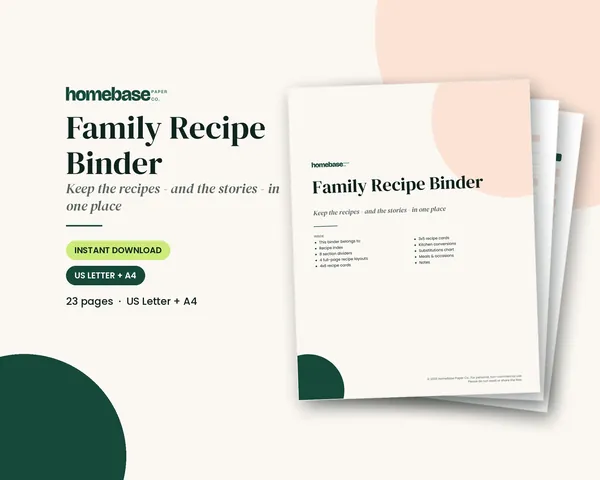
Family Recipe Binder
Section dividers, four recipe page layouts with room for the family story, 4x6 and 3x5 cards and a conversion chart - print it or type into the fillable version.
Printables
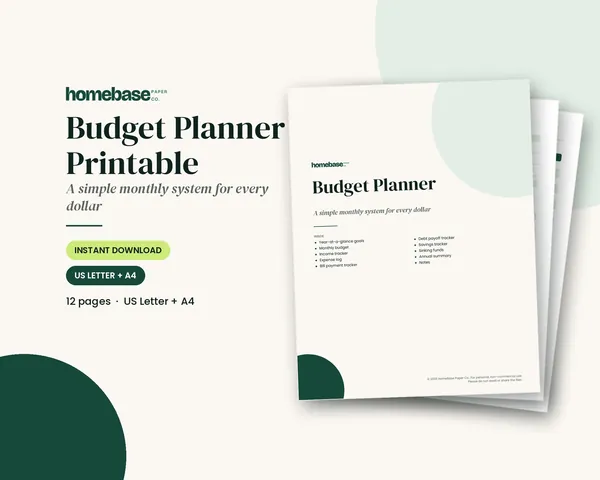
Budget Planner Printable
Twelve undated pages you can print every month: budget, bills, spending, savings and debt.
Nutrition numbers come from USDA FoodData Central and were checked November 13, 2026. The sections below cover oatmeal nutrition, the health benefits, which oats to buy, the best and worst toppings, and four healthy bowls.
Oatmeal nutrition facts
For 1/2 cup (40 grams) of dry old-fashioned or quick oats, calculated from USDA FoodData Central (SR Legacy "oats, regular and quick, not fortified, dry"):
| Nutrient | Amount | % Daily Value |
|---|---|---|
| Calories | 152 | — |
| Protein | 5.3 g | — |
| Carbohydrates | 27.1 g | 10% |
| Fiber | 4.0 g | 14% |
| Total sugars | 0.4 g | — |
| Fat | 2.6 g | 3% |
| Magnesium | 55 mg | 13% |
| Iron | 1.7 mg | 9% |
Percent Daily Values use the FDA label references of 275 g carbohydrate, 28 g fiber, 78 g fat, 420 mg magnesium and 18 mg iron.
Health benefits of oatmeal
- Heart health: the FDA lets whole oat foods carry a health claim, set out in 21 CFR 101.81, that 3 grams or more a day of beta-glucan soluble fiber from whole oats or barley, as part of a diet low in saturated fat and cholesterol, may reduce the risk of heart disease. A qualifying food must have at least 0.75 grams of soluble fiber per serving.
- Cholesterol: Harvard's Nutrition Source on oats cites a meta-analysis in which about 3 grams a day of oat beta-glucan modestly lowered blood cholesterol, by about 12 points.
- Fullness: beta-glucan thickens in the gut and slows digestion, which trials link to feeling full longer. Harvard notes that this hasn't consistently translated into significant weight loss on its own.
- Blood sugar: less-processed oats like steel-cut digest more slowly and have a lower glycemic load than instant oats, according to the same Harvard page, which also describes studies in people with type 2 diabetes.
- Digestion: cereal fibers like oat bran help with regularity.
Bottom line: oatmeal is a healthy everyday whole grain, not a cure-all. It works best as part of an overall balanced diet.
Which oats are healthiest?
| Type | Processing | Typical cook time | Best for |
|---|---|---|---|
| Steel-cut | Groats cut into pieces | About 25–30 minutes | Lowest glycemic index; chewy texture; batch cooking |
| Old-fashioned (rolled) | Steamed and flattened | About 5 minutes on the stove | Everyday oatmeal, overnight oats, baking |
| Quick oats | Rolled thinner | About 1–2 minutes | Fast weekday bowls |
| Instant, plain | Precooked and rolled very thin | About 1 minute | Travel and the office |
| Instant, flavored packets | Same, plus sugar and flavor | About 1 minute | Occasional use; check added sugar |
Cook times are general; follow your package. Harvard's Nutrition Source lists oats from least to most processed in this order and notes that the nutrition is similar, but the effect on blood sugar is not.
Best and worst oatmeal toppings
| Healthier toppings | Use sparingly |
|---|---|
| Berries, banana, diced apple or pear | Brown sugar and white sugar |
| Cinnamon, nutmeg, vanilla | Large pours of maple syrup or honey |
| A tablespoon of walnuts, almonds, chia or ground flaxseed | Flavored creamers |
| A spoonful of peanut butter | Candy pieces and chocolate chips |
| Plain Greek yogurt or milk for protein | Heavily sweetened granola |
| Savory: an egg, spinach, a little cheese | Lots of butter |
The American Heart Association recommends limiting added sugars to about 6 teaspoons a day for most women and about 9 for most men, so a sweetened flavored packet can use up a good share of that before lunch.
4 healthy oatmeal bowls (with nutrition)
Each starts with 1/2 cup of dry oats, with numbers calculated from USDA FoodData Central:
| Bowl | Add | Calories | Protein (g) | Fiber (g) |
|---|---|---|---|---|
| Plain oats cooked in water | Nothing (add cinnamon) | 152 | 5 | 4 |
| Savory oats | 1 egg, 1 cup spinach, 2 tbsp cheddar | 287 | 16 | 5 |
| Blueberry walnut | Cooked in 1 cup skim milk, 1/2 cup blueberries, 1 tbsp walnuts | 323 | 15 | 6 |
| Peanut butter banana | Cooked in 1 cup skim milk, 1/2 banana, 1 tbsp peanut butter | 383 | 18 | 6 |
Want more ways to make it? See our oatmeal recipe (stovetop, overnight and baked), overnight oats and oatmeal cookies.
Oatmeal on a budget
A large canister of old-fashioned oats is one of the cheapest whole-grain breakfasts you can buy, and frozen berries and bananas keep the toppings cheap too. Track prices in a grocery price book and see how to grocery shop on a budget for more ways to save.
More healthy breakfast ideas
See healthy breakfast ideas, high protein breakfast and quick breakfast ideas. For whole-diet basics, see healthy eating.
Plan your oatmeal breakfasts
Write oatmeal, overnight oats or a savory oat bowl into three or four breakfast slots on the Meal Planner & Grocery List ($3.99), and add oats, fruit and toppings to its grocery list. Keep your favorite versions in the Family Recipe Binder ($6.99), track the grocery line in the Budget Planner Printable ($5.99), and browse all Home & organizing printables. For the bigger picture, see meal planning on a budget.
Plan the week's meals and shop once
Weekly meals, a grocery list sorted by aisle, and pantry and freezer inventories so you shop once and waste less.
$3.99 · Instant download. Print at home or fill it in on screen. Or browse the full Home & Organizing collection.
Frequently asked questions
Is oatmeal good for you? Yes, plain oatmeal is good for you. Half a cup of dry rolled oats has about 152 calories, 5 grams of protein and 4 grams of fiber, according to USDA FoodData Central, and oats are a whole grain with a soluble fiber called beta-glucan. The toppings you add decide how healthy the bowl ends up.
Is it OK to eat oatmeal every day? For most people, yes. Plain oatmeal is a whole grain that fits a healthy diet every day. Vary your toppings, keep added sugar low, and if you have celiac disease, choose oats labeled gluten-free because regular oats are often cross-contaminated with wheat.
Is oatmeal good for weight loss? Oatmeal can help with weight loss because its soluble fiber and water make it filling. Harvard's Nutrition Source notes that oat beta-glucan has been shown in trials to increase fullness, although studies haven't consistently shown significant weight loss from oats alone. Watch portions and toppings.
Is oatmeal good for your heart? Oatmeal can support heart health. The FDA allows foods with whole oats to carry a health claim that 3 grams or more a day of beta-glucan soluble fiber from oats or barley, as part of a diet low in saturated fat and cholesterol, may reduce the risk of heart disease.
Which type of oatmeal is healthiest? Steel-cut and old-fashioned rolled oats are the best everyday choices. Harvard's Nutrition Source says the nutrition of steel-cut and instant oats is similar, but less-processed oats digest more slowly and have a lower glycemic index. Plain instant oats are fine; flavored packets often add sugar.
Is instant oatmeal healthy? Plain instant oatmeal is still a whole grain, but flavored packets can carry a lot of sugar. USDA FoodData Central's entry for maple and brown sugar instant oatmeal works out to about 13 grams of sugar in a 43-gram packet, so check the Added Sugars line on your box.
Is oatmeal good for people with diabetes? Minimally processed oats can fit a diabetes eating plan, according to Harvard's Nutrition Source, which notes steel-cut oats have a low to medium glycemic load and instant oats a high one. Oats are still a carbohydrate food, so keep portions measured and talk with your doctor or dietitian.
What is the healthiest way to eat oatmeal? The healthiest way is plain oats cooked in water or milk, topped with fruit, a spoonful of nuts or seeds and cinnamon instead of brown sugar. Adding Greek yogurt, milk or an egg on the side raises the protein so it keeps you full longer.
Does oatmeal have protein? Yes, but not a lot. Half a cup of dry oats has about 5 grams of protein. Cooking it in a cup of skim milk and adding berries and walnuts brings a bowl to about 15 grams, based on USDA numbers.
How do I plan oatmeal into my week? Write oatmeal or overnight oats into three or four breakfast slots on the Meal Planner & Grocery List ($3.99) from HomeBase Paper Co., and add oats, fruit and toppings to its grocery list. A big canister of old-fashioned oats covers weeks of breakfasts.
Where can I save my favorite oatmeal recipes? The Family Recipe Binder ($6.99) from HomeBase Paper Co. keeps your oatmeal, overnight oats and baked oat recipes in one place. You can also start with the free recipe book starter pages, which we email to you.
Are oats gluten-free? Pure oats are gluten-free, but many are processed alongside wheat, rye and barley, so cross-contamination is common, according to Harvard's Nutrition Source. If you have celiac disease or gluten sensitivity, choose oats labeled gluten-free.
Free printable
Get organized for the new year: get the free 2027 planner
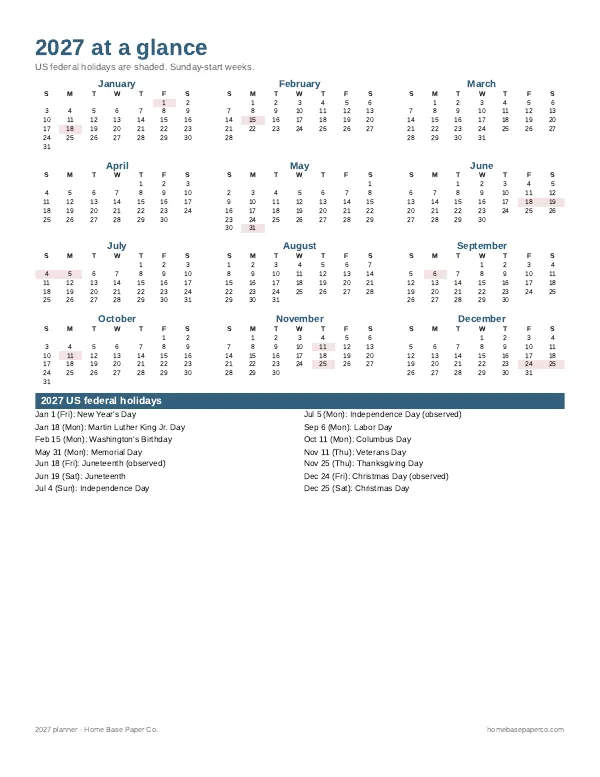
A 16-page printable 2027 planner with a year-at-a-glance page and monthly calendars with US holidays marked. You'll also get our weekly HomeBase email with simple planning and home organization tips.
Sources
- USDA FoodData Central (SR Legacy) fdc.nal.usda.gov
- Harvard T.H. Chan School of Public Health: The Nutrition Source, Oats nutritionsource.hsph.harvard.edu
- ECFR 21 CFR 101.81: Health claims: soluble fiber from certain foods and risk of coronary heart disease ecfr.gov
- American Heart Association: Added Sugars heart.org