

The short answer: the high protein vegetables with the most protein per cup are green soybeans (22 g), edamame (18.5 g), lentils (17.9 g), black beans (15.2 g) and chickpeas (14.5 g). Among non-legume vegetables, green peas (8.2 g), cooked spinach (5.3 g), snow peas, sweet corn and collard greens (about 5 g each) lead the list.
- Best protein per calorie: cooked spinach and bok choy (about 52% of calories from protein), asparagus (44%) and mung bean sprouts (41%)
- Top moves: keep frozen edamame and peas on hand, add one bean or lentil dinner a week, and eat leafy greens cooked to fit more in a serving
- Free download: get the free recipe book starter pages (we email it to you) to save the veggie recipes your family likes. Plan the week with the Meal Planner & Grocery List ($3.99).
Our picks for high protein vegetables
 Starter pick
Printables
Meal Planner & Grocery List
Weekly meals, a grocery list sorted by aisle, and pantry and freezer inventories so you shop once and waste less.
Printables
Family Recipe Binder
Section dividers, four recipe page layouts with room for the family story, 4x6 and 3x5 cards and a conversion chart - print it or type into the fillable version.
Printables
Budget Planner Printable
Twelve undated pages you can print every month: budget, bills, spending, savings and debt.
Nutrition numbers come from USDA FoodData Central and were checked November 12, 2026. The sections below cover the full ranked chart, the best low-calorie picks, legumes vs. non-starchy vegetables, easy ways to eat them and a sample day.
High protein vegetables chart: 28 veggies ranked
All values are per cup unless noted, calculated from USDA FoodData Central (SR Legacy). "Protein share" is the percent of calories that come from protein.
| Rank | Vegetable (1 cup) | Protein (g) | Calories | Fiber (g) | Protein share |
|---|---|---|---|---|---|
| 1 | Green soybeans, boiled | 22.2 | 254 | 7.6 | 35% |
| 2 | Edamame, shelled, cooked | 18.5 | 188 | 8.1 | 39% |
| 3 | Lentils, boiled | 17.9 | 230 | 15.6 | 31% |
| 4 | Black beans, boiled | 15.2 | 227 | 15.0 | 27% |
| 5 | Chickpeas, boiled | 14.5 | 269 | 12.5 | 22% |
| 6 | Black-eyed peas, boiled | 13.2 | 198 | 11.1 | 27% |
| 7 | Baby lima beans, frozen, boiled | 12.0 | 189 | 8.6 | 25% |
| 8 | Green peas, frozen, boiled | 8.2 | 125 | 7.2 | 26% |
| 9 | Spinach, boiled | 5.3 | 41 | 4.3 | 52% |
| 10 | Snow or snap peas, boiled | 5.2 | 67 | 4.5 | 31% |
| 11 | Sweet corn, boiled | 5.1 | 143 | 3.6 | 14% |
| 12 | Collard greens, boiled | 5.1 | 63 | 7.6 | 33% |
| 13 | Artichoke hearts, boiled | 4.9 | 89 | 9.6 | 22% |
| 14 | Asparagus, boiled | 4.3 | 40 | 3.6 | 44% |
| 15 | Baked potato (1 medium) | 4.3 | 161 | 3.8 | 11% |
| 16 | Sweet potato, baked | 4.0 | 180 | 6.6 | 9% |
| 17 | Brussels sprouts, boiled | 4.0 | 56 | 4.1 | 28% |
| 18 | Broccoli, boiled, chopped | 3.7 | 55 | 5.1 | 27% |
| 19 | Beet greens, boiled | 3.7 | 39 | 4.2 | 38% |
| 20 | Mustard greens, boiled | 3.6 | 36 | 2.8 | 39% |
| 21 | Kale, boiled | 3.5 | 42 | 4.7 | 33% |
| 22 | White mushrooms, boiled | 3.4 | 44 | 3.4 | 31% |
| 23 | Mung bean sprouts, raw | 3.2 | 31 | 1.9 | 41% |
| 24 | Okra, boiled | 3.0 | 35 | 4.0 | 34% |
| 25 | Avocado, cubed | 3.0 | 240 | 10.1 | 5% |
| 26 | Bok choy, boiled | 2.7 | 20 | 1.7 | 52% |
| 27 | Green beans, boiled | 2.4 | 44 | 4.0 | 22% |
| 28 | Cauliflower, boiled | 2.3 | 29 | 2.9 | 32% |
Reading tip: raw spinach has only about 0.9 grams of protein per cup because a cup of raw leaves weighs just 30 grams. Cooked, the same cup holds about 180 grams of spinach and 5.3 grams of protein.
The 10 best high protein vegetables for most people
- Edamame. About 18.5 g a cup, sold frozen and shelled. Steam it for a snack or toss it into fried rice and grain bowls.
- Lentils. About 17.9 g a cooked cup and 15.6 g of fiber. Red lentils cook in about 20 minutes and melt into soups.
- Black beans. About 15.2 g a cup. Canned beans, rinsed, go straight into tacos, burrito bowls and soups.
- Chickpeas. About 14.5 g a cup. Roast them for a crunchy snack or blend them into hummus.
- Green peas. About 8.2 g a cup from frozen. Stir them into pasta, rice or vegetable soup at the end.
- Spinach. About 5.3 g a cooked cup, with half its calories from protein. Wilt a bag into eggs, pasta sauce or curry.
- Collard greens. About 5.1 g a cooked cup and 7.6 g of fiber. Braise them or slice them thin for a sauté.
- Asparagus. About 4.3 g a cup and only 40 calories. Roast it with olive oil and lemon.
- Brussels sprouts. About 4 g a cup. Halve and roast them until the edges brown.
- Broccoli. About 3.7 g a cup. It's on almost every grocery list and fits stir-fries, sheet pans and casseroles.
Best high protein vegetables per calorie
If you want protein without many calories, sort by protein share instead of grams:
| Vegetable | Protein share | Protein per cup | Calories per cup |
|---|---|---|---|
| Spinach, boiled | 52% | 5.3 g | 41 |
| Bok choy, boiled | 52% | 2.7 g | 20 |
| Asparagus, boiled | 44% | 4.3 g | 40 |
| Mung bean sprouts | 41% | 3.2 g | 31 |
| Edamame | 39% | 18.5 g | 188 |
| Mustard greens, boiled | 39% | 3.6 g | 36 |
| Beet greens, boiled | 38% | 3.7 g | 39 |
These are also the best picks for low carb meals, since the non-starchy greens carry only a few grams of carbs per cup.
Legumes vs. non-starchy vegetables
USDA MyPlate counts beans, peas and lentils as part of both the Vegetable Group and the Protein Foods Group. A serving can count toward either group, but not both at once. That's why they top every high protein vegetables list.
| Group | Examples | Protein per cup | Best for |
|---|---|---|---|
| Legumes (beans, peas, lentils) | Edamame, lentils, black beans, chickpeas | About 12–22 g | Main dishes, soups, bowls |
| Starchy vegetables | Green peas, corn, potatoes | About 4–8 g | Sides and fillers |
| Non-starchy vegetables | Spinach, asparagus, broccoli, collards | About 2–5 g | Volume, fiber and vitamins at few calories |
For more plant protein beyond vegetables, see our plant based protein sources list, and for every food group, our high protein foods chart.
How much protein do you need?
The FDA's Daily Value for protein is 50 grams a day on a 2,000-calorie diet. That's a label reference, not a personal target. Here's how far vegetables can get you:
| Combo | Protein |
|---|---|
| 1 cup edamame + 1 cup lentils + 1 cup black beans | About 52 g |
| 1 cup lentils + 1 cup cooked spinach + 1 cup broccoli | About 27 g |
| 1 cup green peas + 1 cup asparagus + 1 cup Brussels sprouts | About 16.5 g |
Our macro calculator estimates your own daily protein target.
Easy ways to eat more high protein vegetables
- Breakfast: wilt spinach into scrambled eggs or a frittata, or add black beans to a breakfast burrito. More ideas: high protein breakfast.
- Lunch: build a grain bowl with edamame, chickpeas and roasted broccoli, or make a lentil salad that keeps for days.
- Dinner: swap half the ground beef in tacos or chili for lentils or black beans, or serve a big pan of roasted vegetables with a protein.
- Snacks: roasted chickpeas, steamed edamame with salt, or hummus with snap peas. See high protein snacks.
- Meal prep: cook a pot of lentils and a tray of roasted Brussels sprouts on Sunday. Our high protein meal prep guide has a full plan.
Budget tip: dried and canned beans and frozen vegetables keep for months, so they're easy to stock for cheap weeknight meals. Pair this list with meal planning on a budget and how to grocery shop on a budget to keep the grocery bill in line, and track the spending with the Budget Planner Printable ($5.99).
Sample high protein vegetable day
| Meal | What's on the plate | Vegetable protein |
|---|---|---|
| Breakfast | 2-egg scramble with 1 cup cooked spinach | About 5.3 g from spinach |
| Lunch | Grain bowl with 1 cup edamame and 1 cup roasted broccoli | About 22.2 g |
| Snack | 1/2 cup roasted chickpeas | About 7.3 g |
| Dinner | Lentil tacos (1 cup lentils) with a side of asparagus | About 22.2 g |
| Total | About 57 g from vegetables and legumes |
To work vegetables into every meal, see how to eat more vegetables with 45 ideas sorted by meal.
Plan your high protein vegetable week
Write one legume dinner, two veggie-heavy sides and a bean snack into each week on the Meal Planner & Grocery List ($3.99). It has a weekly meal grid, an aisle-sorted grocery list and pantry and freezer inventories, so the frozen edamame and canned beans never run out. Save your best lentil soup and stir-fry in the Family Recipe Binder ($6.99), and browse more planners in Home & organizing printables.
For complete recipe collections, see vegetarian recipes, vegan recipes and cheap vegan meals, or plan whole meals with high protein meals.
Meal Planner & Grocery List
Weekly meals, a grocery list sorted by aisle, and pantry and freezer inventories so you shop once and waste less.
$3.99 · Instant download. Print at home or fill it in on screen. Or browse the full Home & Organizing collection.
Frequently asked questions
What vegetable has the most protein? Green soybeans and edamame have the most protein of any common vegetable: about 22 grams in a cup of boiled green soybeans and about 18.5 grams in a cup of shelled, cooked edamame, according to USDA FoodData Central. Lentils are close behind at about 18 grams a cooked cup.
Which green vegetable is highest in protein? Among leafy and green vegetables, green peas lead at about 8 grams per cooked cup, followed by cooked spinach at about 5.3 grams, snow peas at about 5.2 grams and collard greens at about 5.1 grams. Cooking shrinks leafy greens, which is why a cup of cooked spinach has far more protein than a cup of raw.
Are beans and lentils vegetables or protein? Both. USDA MyPlate counts beans, peas and lentils in the Vegetable Group and the Protein Foods Group, so a serving can count toward either one, just not both at the same time. That's why they appear on lists of high protein vegetables.
How much protein do I need a day? The Daily Value for protein on U.S. food labels is 50 grams a day for a 2,000-calorie diet, according to the FDA. Your own needs depend on your size, age and activity, so treat 50 grams as a label reference point, not a personal target.
Can you get enough protein from vegetables alone? You can reach a lot of protein from vegetables if you lean on legumes. One cup each of edamame, lentils and black beans adds up to about 52 grams. Non-starchy vegetables like broccoli add only 3 to 5 grams a cup, so most people pair vegetables with eggs, dairy, tofu, meat or fish.
Which high protein vegetables are also low in carbs? Spinach, asparagus, bok choy, mushrooms, kale, collard greens and broccoli are high in protein for their calories and low in carbs. Cooked spinach has about 5.3 grams of protein and 6.8 grams of total carbs per cup, and bok choy has about 2.7 grams of protein and 3 grams of carbs.
Does cooking vegetables reduce their protein? Cooking doesn't make protein disappear, but it changes how much fits in a cup. Leafy greens wilt, so a cooked cup holds several raw cups' worth of leaves. That's why this list compares cooked cups for vegetables you usually eat cooked.
Is broccoli high in protein? Broccoli has about 3.7 grams of protein per cooked, chopped cup and about 55 calories, so it's moderate by the cup but strong for its calories. About 27% of its calories come from protein, more than corn or sweet potatoes.
How do I plan meals around high protein vegetables? Write one legume dinner and two veggie-heavy sides into each week on the Meal Planner & Grocery List ($3.99). Its aisle-sorted grocery list keeps frozen edamame, peas, lentils and greens on the list so they're on hand when you cook.
Where can I keep my favorite high protein vegetable recipes? The Family Recipe Binder ($6.99) holds the recipes your family actually eats, from lentil soup to edamame stir-fry, with space for notes and swaps. You can also start one free with the recipe book starter pages, which we email to you.
Are frozen vegetables as high in protein as fresh? Yes, frozen vegetables can be just as useful for protein. Several of the top picks on this list use USDA data for frozen products, including edamame, green peas and baby lima beans, so the frozen aisle is an easy place to stock up.
Free printable
Save the family favorites: get the free recipe book pages
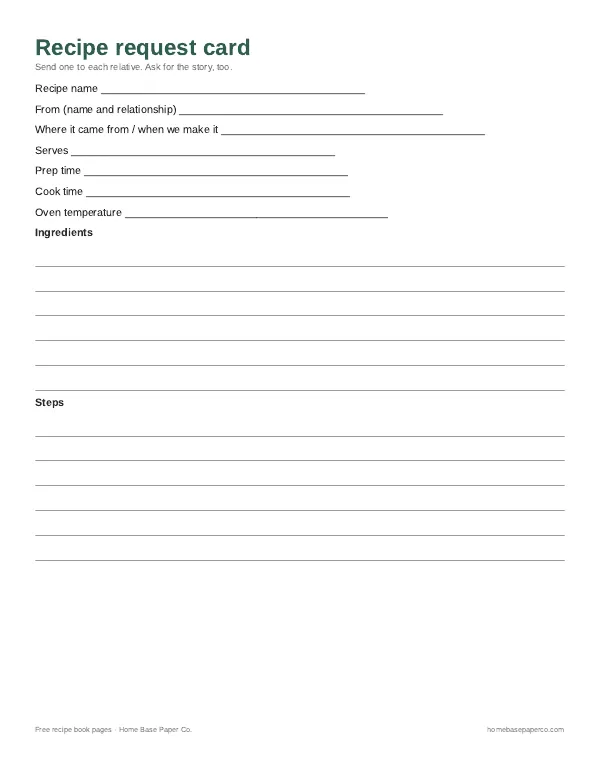
Printable recipe pages and a recipe request card to send to relatives, so the dishes everyone loves end up in one book. You'll also get our weekly HomeBase email with easy meal planning ideas and family recipe tips.
Sources
- USDA FoodData Central (SR Legacy) fdc.nal.usda.gov
- USDA MyPlate: Beans, Peas, and Lentils myplate.gov
- FDA: Daily Value on the Nutrition and Supplement Facts Labels fda.gov