

The short answer: ultra-processed foods are industrial products made mostly from refined food substances plus additives like flavors, colors, emulsifiers and sweeteners: think soda, packaged snacks, sweet baked goods and many ready meals. They make up 55% of the calories Americans eat (61.9% for kids and teens), according to a 2025 CDC data brief.
- How to spot them: an ingredient you wouldn't cook with at home (high-fructose corn syrup, hydrogenated oil, hydrolyzed protein) or "cosmetic" additives (flavors, colors, emulsifiers, sweeteners, thickeners)
- Top moves: swap one ultra-processed staple a week, cook simple batches of beans, grains and vegetables, and keep minimally processed snacks within reach
- Free next step: get the free calorie tracker (we email it to you) to log what you eat for a week. Plan swaps into your shopping with the Meal Planner & Grocery List ($3.99).
Our picks for ultra-processed food
 Starter pick
Printables
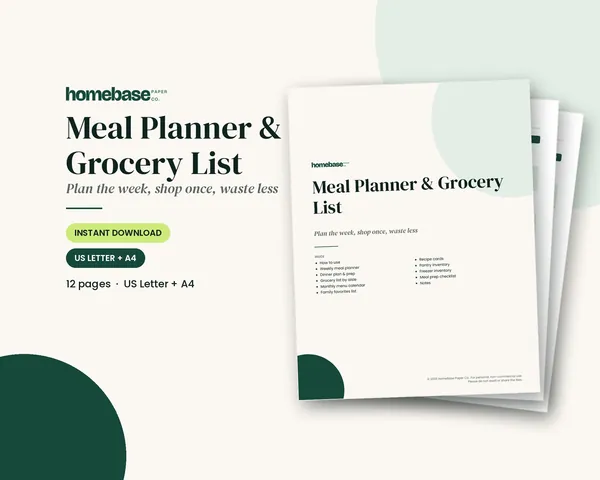
Meal Planner & Grocery List
Weekly meals, a grocery list sorted by aisle, and pantry and freezer inventories so you shop once and waste less.
Printables
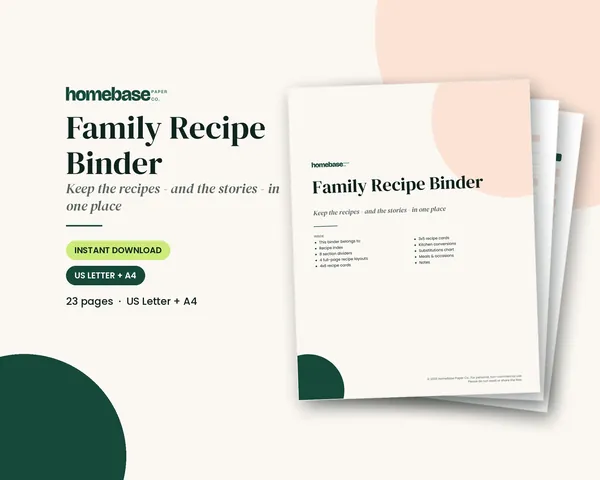
Family Recipe Binder
Section dividers, four recipe page layouts with room for the family story, 4x6 and 3x5 cards and a conversion chart - print it or type into the fillable version.
Printables
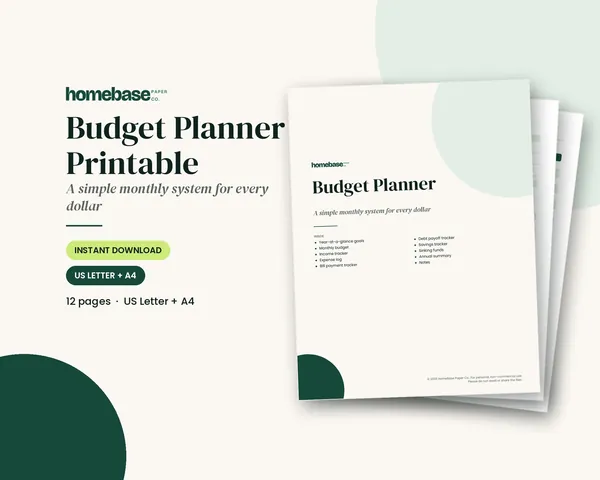
Budget Planner Printable
Twelve undated pages you can print every month: budget, bills, spending, savings and debt.
Research figures were checked November 12, 2026, against the CDC, FDA, NIH and peer-reviewed sources linked below. This is general information, not medical advice. The sections below cover the four food-processing groups, how to read a label, what the research shows and 20 easy swaps.
What is processed food? The 4 Nova groups
Most research, including the CDC's national estimates, uses the Nova classification, which sorts food by how much and why it was processed. Nova researchers describe it in Public Health Nutrition (2019).
| Nova group | What it is | Examples |
|---|---|---|
| 1. Unprocessed or minimally processed | Whole foods that are washed, cut, frozen, dried, pasteurized or ground, with nothing added | Fresh and frozen produce, plain oats and rice, dried beans, eggs, plain milk, fresh meat and fish |
| 2. Processed culinary ingredients | Things you cook with, extracted from group 1 foods | Oil, butter, sugar, salt, flour, vinegar |
| 3. Processed foods | Group 1 foods with salt, sugar or oil added, usually 2–3 ingredients | Canned beans and vegetables, cheese, freshly made bread, canned tuna, salted nuts |
| 4. Ultra-processed foods | Industrial formulations with substances rarely used at home and additives | Soda, packaged chips and cookies, sweetened cereal, instant noodles, hot dogs, many frozen meals |
Processed is not the same as ultra-processed. Canned beans, plain frozen vegetables and cheese are processed but can be everyday staples. The concern in research is mostly with group 4.
Spotting ultra-processed food on a label
The Nova authors suggest a simple check: a product is likely ultra-processed if its ingredient list contains at least one of these:
| Look for | Examples on labels |
|---|---|
| Food substances rarely used at home | High-fructose corn syrup, hydrogenated or interesterified oils, hydrolyzed protein, maltodextrin, protein isolates |
| Flavors and flavor enhancers | "Natural flavors," "artificial flavors," monosodium glutamate |
| Colors | Red 40, Yellow 5, caramel color |
| Texture and appearance additives | Emulsifiers (lecithin, mono- and diglycerides), thickeners (gums, carrageenan), anti-foaming, bulking, gelling or glazing agents |
| Non-sugar sweeteners | Sucralose, aspartame, acesulfame potassium |
Quick rule: a long list with words you wouldn't find in your pantry usually means group 4. A short list of foods you recognize usually means group 1, 2 or 3.
Ultra-processed foods list: the biggest sources of calories
The CDC's NCHS Data Brief 536 (August 2021–August 2023 survey data) found these were the top ultra-processed sources of calories:
| Rank | Adults (19+) | % of total calories | Youth (1–18) | % of total calories |
|---|---|---|---|---|
| 1 | Sandwiches (including burgers) | 8.6% | Sandwiches (including burgers) | 7.6% |
| 2 | Sweet bakery products | 5.2% | Sweet bakery products | 6.3% |
| 3 | Sweetened beverages | 4.4% | Savory snacks | 4.9% |
| 4 | Savory snacks | 3.4% | Pizza | 4.7% |
| 5 | Breads, rolls and tortillas | 3.1% | Sweetened beverages | 3.9% |
The same brief found adults in the highest income group got 50.4% of calories from ultra-processed foods, compared with 54.7%–55.3% in lower-income groups, and that adult intake fell from 55.8% in 2013–2014 to 53.0% in 2021–2023.
Are ultra-processed foods bad for you? What the research says
- They can lead to eating more. In an NIH inpatient trial (Cell Metabolism, 2019), 20 adults ate about 508 more calories a day on an ultra-processed diet than on an unprocessed one, even though the meals offered were matched for calories, sugar, fat, fiber and sodium. They gained about 0.9 kg in two weeks on the ultra-processed diet and lost about 0.9 kg on the unprocessed diet.
- Higher intake is linked with many health problems. A 2024 BMJ umbrella review of 45 pooled analyses (almost 9.9 million people) found direct associations between higher ultra-processed food exposure and 32 health outcomes, with the strongest evidence for cardiovascular disease deaths, type 2 diabetes, anxiety and common mental disorders. Most of the evidence was rated low or very low quality, and these are associations, not proof of cause.
- There's no official U.S. definition yet. The FDA and USDA asked for public input in July 2025 to build a uniform federal definition, and the FDA's ultra-processed foods page describes that work as ongoing. The agencies also note some foods classed as ultra-processed, like some whole-grain products and yogurts, can be part of a healthy diet.
20 easy swaps for ultra-processed foods
| Instead of | Try | Why it's easier than it sounds |
|---|---|---|
| Sweetened breakfast cereal | Plain oats with fruit, or overnight oats | Make 5 jars on Sunday |
| Flavored instant oatmeal packets | Plain quick oats + cinnamon + banana | Same 2-minute microwave time |
| Flavored yogurt cups | Plain yogurt + honey or fruit | Buy the big tub |
| Soda | Water, seltzer with citrus, unsweetened iced tea | Brew tea by the pitcher |
| Packaged chips | Air-popped popcorn, roasted chickpeas, salted nuts | Popcorn kernels are cheap per serving |
| Packaged cookies and snack cakes | Homemade banana bread or muffins, frozen in slices | Bake once, eat all week |
| Granola bars | Nuts + dried fruit, or homemade energy bites | No baking needed |
| Frozen breaded nuggets | Sheet-pan chicken pieces with a crumb coating | Freeze homemade batches |
| Hot dogs and deli meat | Leftover roast chicken or rotisserie chicken | Slice for sandwiches |
| Instant noodle cups | Plain noodles + broth + frozen vegetables + egg | 10 minutes |
| Frozen pizza | French bread or pita pizza with simple toppings | Kids can build their own |
| Boxed mac and cheese | Stovetop pasta with cheddar and milk | One pot |
| Store-bought salad dressing | Oil + vinegar + mustard + salt | Shake in a jar |
| Flavored coffee creamer | Milk + a little sugar or cinnamon | Same sweetness, shorter label |
| Sweetened juice drinks | Whole fruit or 100% juice, watered down | Fiber from whole fruit |
| Packaged white bread with long label | Bakery bread with a short label, or homemade | Check the ingredient list |
| Seasoning packets | Homemade taco seasoning | Mix a jar once a month |
| Frozen ready meals | Batch-cooked freezer meals | Label and date |
| Candy for snacks | Fruit, cheese and nut plates | Prep on the weekend |
| Fast-food breakfast sandwiches | Homemade egg muffins | Reheat in a minute |
You don't have to cut out every ultra-processed food. Pick the one or two you eat most, using the CDC's top-5 list above as a guide, and swap those first.
Build meals around minimally processed foods
- Use the plate method. Our balanced diet guide shows how to fill half the plate with fruits and vegetables, a quarter with grains and a quarter with protein.
- Lean on whole-food staples. Healthy eating basics, heart-healthy foods and high-protein vegetables cover the foods worth stocking.
- Snack smarter. See healthy snacks and high-protein snacks for ideas with short ingredient lists.
- Prep once, eat all week. Healthy meal prep ideas and how to start meal prepping make home cooking the easy option on busy nights.
- Keep it affordable. Meal planning on a budget and how to grocery shop on a budget help you buy whole foods without overspending.
Plan your swaps on paper
The Meal Planner & Grocery List ($3.99) has a weekly meal grid and an aisle-sorted shopping list, so the whole-food version is bought before a busy night. Save the homemade swaps your family likes in the Family Recipe Binder ($6.99), and track the grocery line in the Budget Planner Printable ($5.99). Browse all printables.
If you have a medical condition or special diet, talk with your doctor or a registered dietitian before making big changes.
Plan the week's meals and shop once
Weekly meals, a grocery list sorted by aisle, and pantry and freezer inventories so you shop once and waste less.
$3.99 · Instant download. Print at home or fill it in on screen. Or browse the full Home & Organizing collection.
Frequently asked questions
What are ultra-processed foods? Ultra-processed foods are industrial formulations made mostly from substances extracted or refined from foods, plus additives such as flavors, colors, emulsifiers and sweeteners. Under the Nova system used in most research, examples include soft drinks, packaged snacks, sweet bakery products, many breakfast cereals, instant noodles and reconstituted meat products.
What is the difference between processed and ultra-processed food? In the Nova system, processed foods are simple products made by adding salt, sugar or oil to a whole food, usually with two or three ingredients, like canned beans, cheese or fresh bread. Ultra-processed foods contain ingredients you rarely use at home, such as high-fructose corn syrup, hydrogenated oils, hydrolyzed proteins or cosmetic additives.
How do I know if a food is ultra-processed? Read the ingredient list. Nova researchers suggest that a product is likely ultra-processed if it contains at least one ingredient rarely used in home kitchens, such as high-fructose corn syrup, hydrogenated or interesterified oils or hydrolyzed proteins, or additives like flavors, flavor enhancers, colors, emulsifiers, sweeteners or thickeners.
How much ultra-processed food do Americans eat? A CDC data brief using August 2021 to August 2023 survey data found that 55.0% of calories eaten by people age 1 and older came from ultra-processed foods: 61.9% for youth ages 1 to 18 and 53.0% for adults.
Are ultra-processed foods bad for you? Large observational studies link higher ultra-processed food intake with higher risks of several health problems. A 2024 BMJ umbrella review found direct associations with 32 health outcomes, including cardiovascular disease deaths and type 2 diabetes, though much of the evidence was rated low or very low quality. These studies show links, not proof that each food causes harm.
Do ultra-processed foods make you eat more? In a 2019 NIH inpatient trial, 20 adults ate about 508 more calories a day on an ultra-processed diet than on an unprocessed diet, even though the meals offered were matched for calories, sugar, fat, fiber and sodium. They gained about 0.9 kg in two weeks on the ultra-processed diet.
Is there an official U.S. definition of ultra-processed food? Not yet. In July 2025, the FDA and USDA asked the public for data to help build a uniform federal definition, and the FDA's ultra-processed foods page describes that work as ongoing. Most research uses the Nova classification.
Are all ultra-processed foods unhealthy? Not necessarily. Federal agencies note that some foods that land in the ultra-processed group under existing systems, such as some whole-grain products and yogurts, can fit in a healthy diet. Looking at the whole pattern of what you eat matters more than any single label.
Is frozen food ultra-processed? Not always. Plain frozen vegetables, fruit and fish are minimally processed. Frozen meals, breaded nuggets and frozen desserts with long additive lists are usually ultra-processed. Check the ingredient list, not the freezer aisle.
How can I eat fewer ultra-processed foods on a budget? Start with swaps that cost the same or less: oats instead of sweetened cereal, popcorn kernels instead of flavored chips, water or seltzer instead of soda, and batch-cooked beans, rice and roasted vegetables. Planning meals and a grocery list ahead keeps convenience buys down.
What are examples of minimally processed foods? Fresh or frozen fruit and vegetables, plain rice and oats, dried beans and lentils, eggs, plain milk and yogurt, fresh meat, poultry and fish, nuts without added flavorings, and herbs and spices are minimally processed under the Nova system.
Free printable
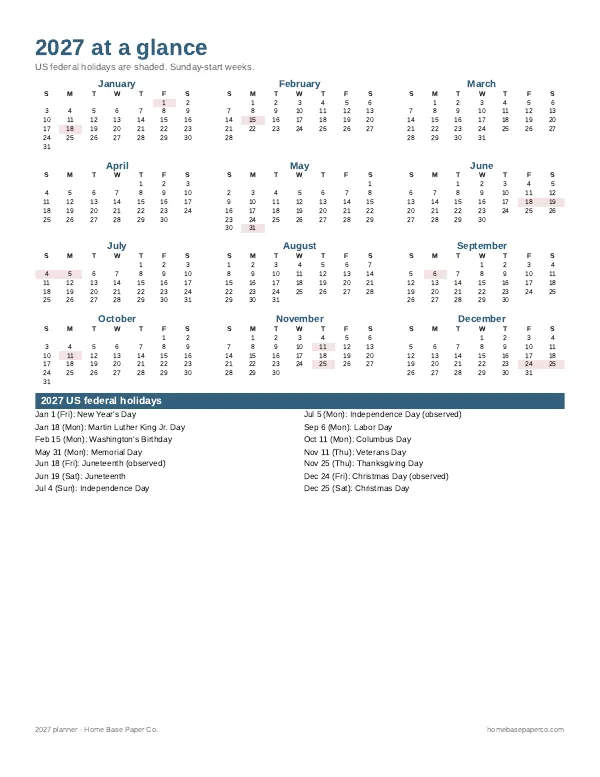
Get organized for the new year: get the free 2027 planner
A 16-page printable 2027 planner with a year-at-a-glance page and monthly calendars with US holidays marked. You'll also get our weekly HomeBase email with simple planning and home organization tips.
Sources
- CDC NCHS Data Brief 536: Ultra-processed food consumption, Aug 2021–Aug 2023 cdc.gov
- Monteiro et al., Public Health Nutrition 2019: Ultra-processed foods: what they are and how to identify them pubmed.ncbi.nlm.nih.gov
- Hall et al., Cell Metabolism 2019 (NIH inpatient trial) pubmed.ncbi.nlm.nih.gov
- Lane et al., BMJ 2024 umbrella review pubmed.ncbi.nlm.nih.gov
- FDA: Ultra-processed foods fda.gov
- Asked for public input in July 2025 federalregister.gov