

The short answer: rent to own is a deal where you rent a home now and get the option or duty to buy it later at a set price. You usually pay an upfront option fee, and part of your rent may count toward the down payment. It can help if you need time to fix credit, but if you don't buy you usually lose that money.
- Two types: lease-option (you may buy) and lease-purchase (you must buy)
- Upfront cost: a non-refundable option fee
- Biggest risk: losing the fee and rent credits if you can't get a mortgage
- Must-do: verify ownership, get an inspection and an attorney review
- Free help: download the home inspection checklist
- Next step: Save your down payment month by month in the Sinking Funds Tracker Spreadsheet ($4.99).
Our picks for rent to own

Spreadsheets
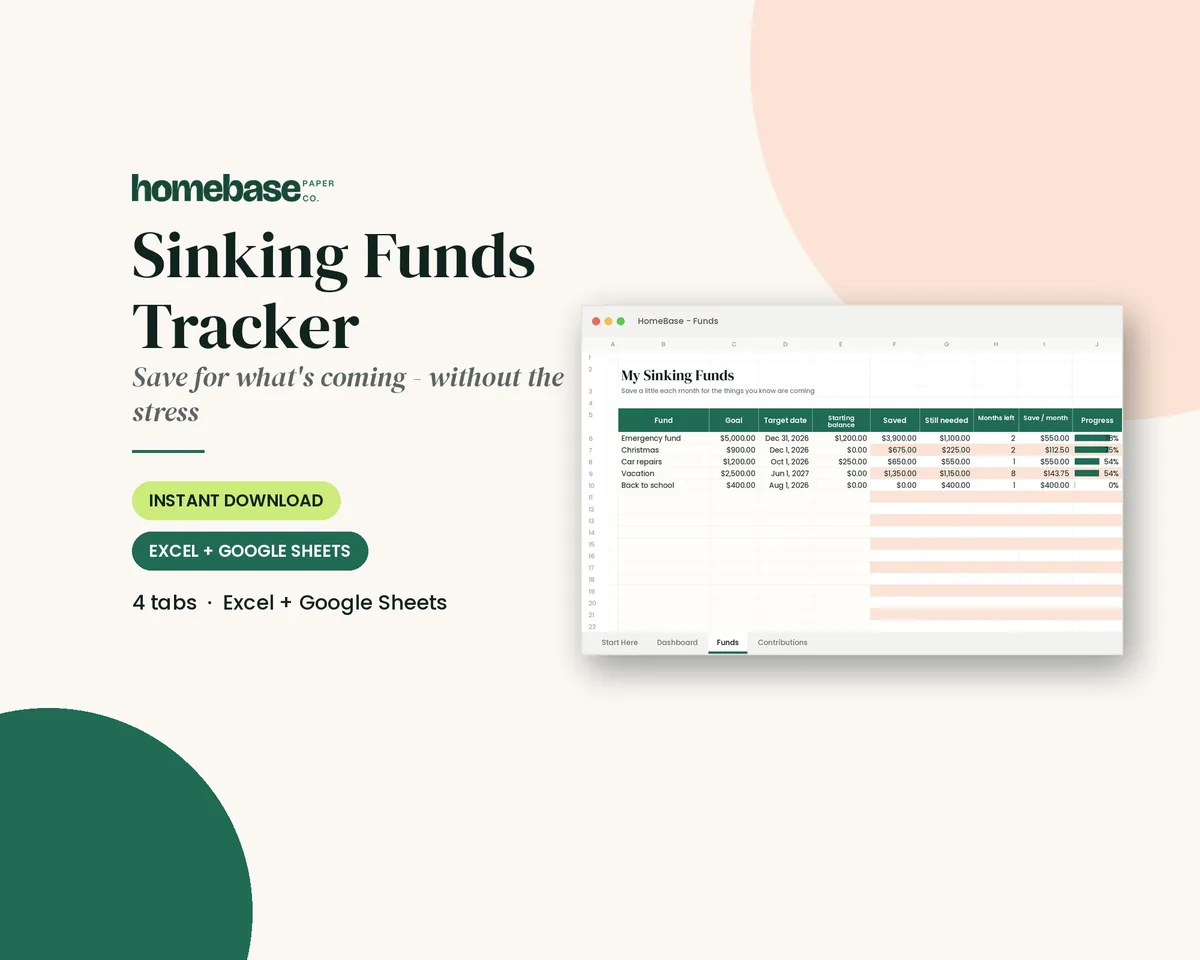
Sinking Funds Tracker
It does the math: how much to set aside each month to hit every goal on time.

Printables
Budget Planner Printable
Twelve undated pages you can print every month: budget, bills, spending, savings and debt.
Checked November 4, 2026 against FTC and CFPB consumer guidance. This is general information, not legal advice; have a local real estate attorney review any contract.
How rent to own homes work, step by step
The FTC puts it simply: the owner agrees to sell you the home in the future for a specific price, and rent you pay now is counted toward your down payment. In practice most deals follow these steps.
- Agree on the price and term. The purchase price and the lease length, often one to three years, are set in the contract.
- Pay the option fee. This upfront payment buys your right to purchase. It is usually non-refundable.
- Pay rent, plus any rent credit. Monthly payments are often above market rent, and the extra may be credited toward your down payment.
- Use the lease years to qualify. Pay down debt, build credit and save, because you will need a regular mortgage.
- Buy or walk away. At the end you close with your own loan, or you leave and usually lose the fee and credits.
Lease-option vs lease-purchase
| Lease-option | Lease-purchase | |
|---|---|---|
| Do you have to buy? | No, it's your choice | Yes, you agree to buy |
| If you can't get a mortgage | You lose the fee and credits | You may be in breach of contract |
| Flexibility | Higher | Lower |
| Best for | Buyers unsure about the home or area | Buyers confident they will qualify |
What rent to own really costs
Here is a sample deal on a $250,000 home to show where the money goes. Your numbers will differ, so plug in your own contract terms.
| Item | Sample amount | What happens to it |
|---|---|---|
| Option fee (2% of price) | $5,000 | Credited at purchase, lost if you walk away |
| Market rent | $1,800 a month | Normal housing cost |
| Rent premium credited | $200 a month | $7,200 over 3 years if you buy |
| Total toward purchase after 3 years | $12,200 | About 4.9% of the price |
In this example you'd reach about a 5% down payment, but only if you close on time. The FTC notes that even legitimate deals can mean upfront fees and higher monthly payments than renting. Before you sign, compare first-time home buyer programs: some mortgages need as little as 3% to 3.5% down and no option fee.
Red flags and risks to check
The FTC says people in rent to own deals sometimes find:
- the "seller" doesn't really own the property
- the owner hasn't paid the property taxes
- the house is in poor shape or has hazards like lead or asbestos
- promised repairs aren't made after signing
- the house is being foreclosed on
Watch out, too, for a contract where one missed payment cancels the deal, a locked price above what the home is worth, and anyone who wants upfront fees by cash, wire or gift card.
Rent to own vs contract for deed
Some offers sold as rent to own are really a contract for deed. The CFPB explains that in a contract for deed the seller keeps legal title until you make every payment, and that most carry risks, including fast eviction if you fall behind. Ask directly which kind of contract you are signing.
A 10-point checklist before you sign
- Look up the owner in the county property records and match the name to the seller.
- Confirm property taxes are paid and ask whether the home has a mortgage or liens.
- Get an independent home inspection. Use our home inspection checklist.
- Get an appraisal or compare recent sales to test the locked price.
- Get the option fee, rent credit and purchase price in writing.
- Find out who pays for repairs and maintenance.
- Read the default terms for late or missed payments.
- Ask a mortgage lender now what you'll need to qualify at the end.
- Have a real estate attorney review the contract.
- Talk with a HUD-approved housing counselor about your budget and options.
Plan your path to buying
Whether you choose rent to own or keep renting while you save, you'll need a down payment plan and a realistic budget. Start with how much house you can afford and how to save for a house, then learn what an escrow account is before you take out a mortgage.
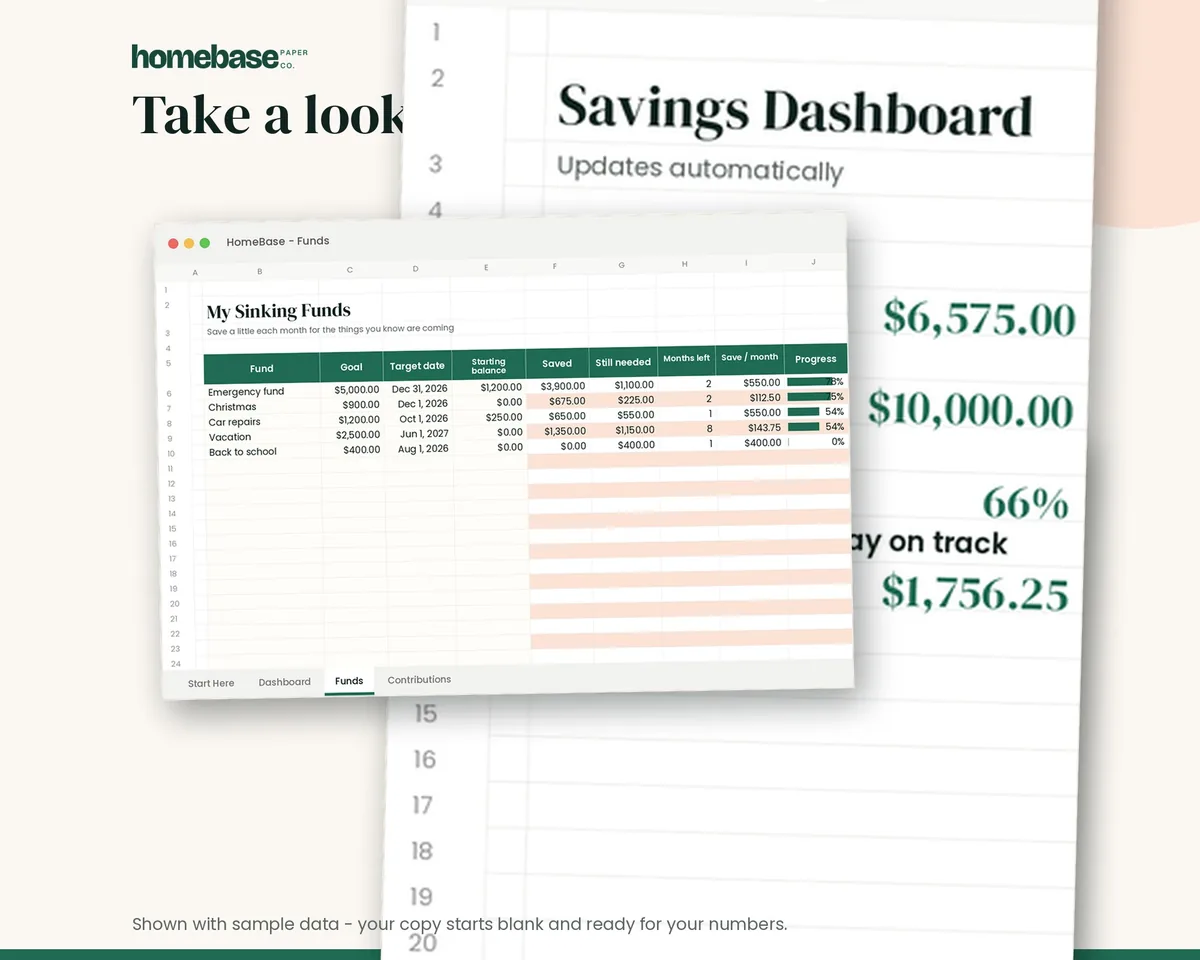
- Sinking Funds Tracker Spreadsheet ($4.99): track your down payment and closing cost savings month by month.
- Budget Planner Printable ($5.99): build the monthly budget a lender will want to see.
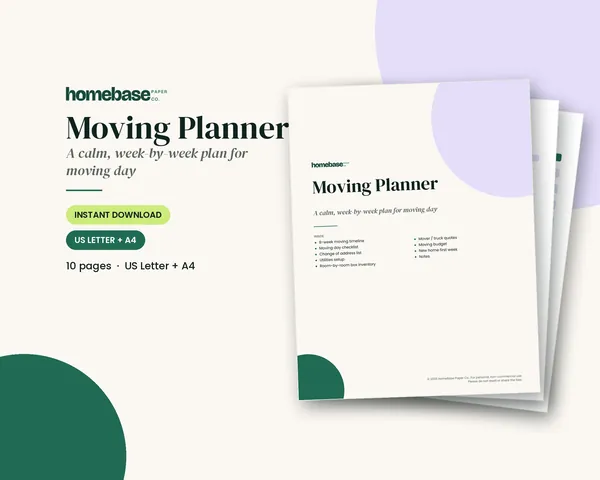
- Moving Planner & Checklist ($5.99): plan the move once the keys are yours.
Building credit first? Read how to build credit and how much rent you can afford, or browse all printable planners.
Sinking Funds Tracker
It does the math: how much to set aside each month to hit every goal on time.
$4.99 · Instant download. Print at home or fill it in on screen. Or browse the full Budget & Money collection.
Frequently asked questions
How does rent to own work? In a rent to own deal you rent a home for a set period, often one to three years, and get the option or the obligation to buy it at the end. You usually pay an upfront option fee, and part of each month's rent may be credited toward the down payment. At the end you buy the home with a regular mortgage or walk away, often losing what you paid in.
What is the difference between a lease-option and a lease-purchase? A lease-option gives you the right, but not the duty, to buy the home at the agreed price when the lease ends. A lease-purchase commits you to buy. If you cannot get a mortgage under a lease-purchase you may be in breach of the contract, so it carries more risk. Read which one you are signing before you pay anything.
Is rent to own a good idea? It can help a buyer who needs time to repair credit or save a down payment and has found a seller they trust. But the FTC warns these deals can be risky, with upfront fees, higher monthly payments, and contracts where one missed payment ends the deal. Many people do better saving for a down payment while renting normally.
What is an option fee in rent to own? An option fee is the upfront money you pay for the right to buy the home later. It is often a few percent of the purchase price and is usually non-refundable. In many contracts it is credited toward the purchase if you buy, but you lose it if you walk away or the deal falls through, so get the terms in writing.
Do rent credits really go toward the down payment? Only if your contract says so and you complete the purchase. Rent credits are the part of each payment above market rent that the seller agrees to count toward your down payment. Ask for the exact monthly credit in writing and keep records, and ask your future mortgage lender how it will treat those credits.
Who pays for repairs in a rent to own home? The rent to own contract decides who pays for repairs. Some sellers keep repairs like a landlord, while many rent to own agreements shift maintenance and repairs to the tenant-buyer. Because you might end up owning the home, get a professional inspection before signing so you know what you are taking on.
Is rent to own the same as a contract for deed? No, though they are often confused. With a contract for deed the seller finances the purchase and keeps legal title until you make every payment, and the CFPB warns that many of these deals carry serious risks. In a rent to own lease you are a tenant until you buy with your own mortgage.
Can I do rent to own with bad credit? Yes, that is why many people look at rent to own. But you will still need to qualify for a mortgage when the lease ends, so use the lease years to pay every bill on time, lower your debts and build savings. If your credit has not improved enough by the deadline, you could lose the option fee and rent credits.
What happens if I miss a rent payment in a rent to own deal? In some contracts a single late or missed payment cancels the purchase option, and you can lose the option fee and all rent credits while still owing rent. Read the default section of the contract carefully and set up automatic payments so a busy month never costs you the deal.
How do I avoid rent to own problems? Verify through the county records that the seller actually owns the home and that property taxes and the mortgage are current. Get an independent inspection and appraisal, have a real estate attorney review the contract, and never pay upfront fees in cash or by wire to someone you have not verified. The FTC lists sellers who do not own the property as a common problem.
Is the purchase price locked in a rent to own deal? Usually the price is set when you sign, which helps if home values rise but hurts if they fall. If the home is worth less than your locked price at the end, a lender may not lend the full amount, and you would have to bring more cash or walk away.
What are alternatives to rent to own? Renting while saving in a down payment sinking fund, looking into state and local first-time buyer down payment help, or talking with a HUD-approved housing counselor are common alternatives. A counselor can review your credit and budget for free or low cost and help you decide whether a rent to own offer makes sense.
Free printable
Give every dollar a job: get the free monthly budget template
A printable zero-based monthly budget: income, bills, everyday spending and savings on one page, with a planned vs. actual column. You'll also get our weekly HomeBase email with simple budgeting and bill-paying tips.

Sources
- FTC: What you need to know about rent-to-own home deals consumer.ftc.gov
- CFPB: What is a contract for deed? consumerfinance.gov
- CFPB: Find a housing counselor consumerfinance.gov