The short answer: the USDA's most recent estimate of the cost of raising a child is $233,610 from birth through age 17 for a middle-income, two-parent family, in 2015 dollars. Adjusted to 2025 prices, that's roughly $317,300, or about $1,470 a month.
- Lower income (under $59,200): $174,690, about $237,300 today
- Higher income (over $107,400): $372,210, about $505,600 today
- Not included: college, costs after 17, and pregnancy, birth or adoption costs
- Estimate your own family's cost in 5 minutes with the steps below
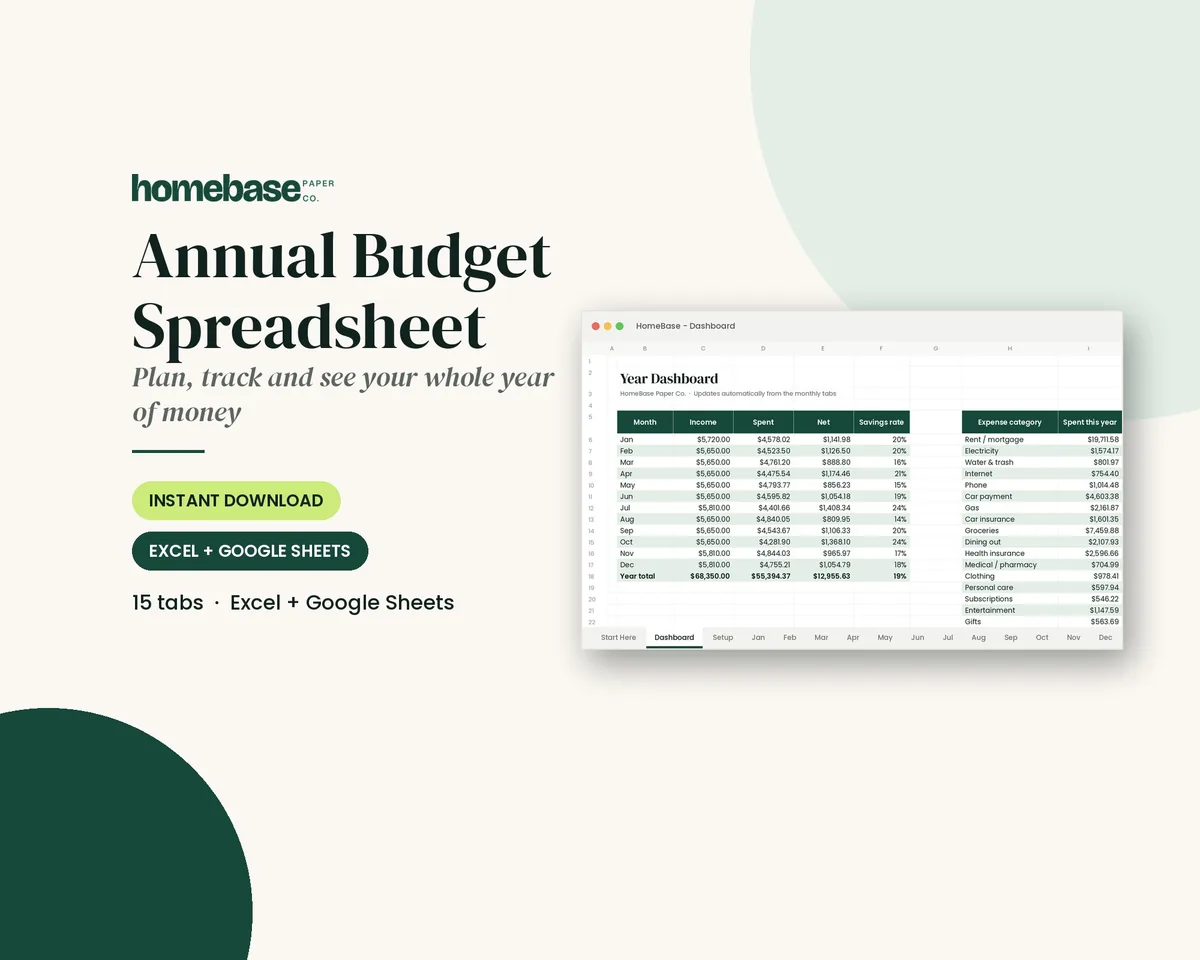
- Next step: Plan it with the Annual Budget Spreadsheet ($6.99).
How much does it cost to raise a child? The USDA's most recent estimate of the cost of raising a child is $233,610 from birth through age 17 for a middle-income, two-parent family, in 2015 dollars. That's about $1,080 a month. Adjusted for inflation to 2025 prices with the BLS consumer price index, the same estimate comes to roughly $317,300, or about $1,470 a month (our own calculation, shown below). It doesn't include college.
That headline number is an average, and your family's real cost depends on income, where you live, how many kids you have and, most of all, child care. Below you'll find the full breakdown by income, by age and by category, what the estimate leaves out, how the Child Tax Credit offsets part of it and a simple plan to build these costs into your family budget.
Being the oldest of three in Detroit, I think about this question in terms of real households, not just averages. Big numbers like $300,000 can feel scary. Broken into months and categories, they turn into something you can plan for. The Annual Budget Spreadsheet ($6.99) is a good home for that plan: 12 monthly tabs, planned vs. actual by category and a year dashboard, in Excel or Google Sheets.
Where the numbers come from
The U.S. Department of Agriculture has tracked what families spend on children since 1960. Its Expenditures on Children by Families page says the latest report was published in 2017 and covers children born in 2015. USDA notes it is evaluating its methods, so there's no newer official estimate yet.
The report's main figures describe the younger child in a married-couple family with two children, from birth through age 17. Amounts are in 2015 dollars. To bring them closer to today's prices, we multiplied them by the change in the BLS consumer price index (CPI-U) from the 2015 annual average (237.017) to the 2025 annual average (321.943), a factor of about 1.358. You can run the same math with the BLS CPI Inflation Calculator. These 2025-dollar figures are our estimate, not USDA's.
Cost of raising a child by family income
USDA splits families into three before-tax income groups. In 2015, middle income meant $59,200 to $107,400 a year. In 2025 dollars, that band is roughly $80,400 to $145,900.
| Family income (2015) | Total, birth to 17 (2015 dollars) | Total in 2025 dollars (our estimate) | Yearly range (2015 dollars) |
|---|---|---|---|
| Lower: under $59,200 | $174,690 | about $237,300 | $9,330 to $9,980 |
| Middle: $59,200 to $107,400 | $233,610 | about $317,300 | $12,350 to $13,900 |
| Higher: over $107,400 | $372,210 | about $505,600 | $19,380 to $23,380 |
Higher-income families spend more in every category, but housing stays a similar share. USDA found housing made up 26% to 33% of child-rearing costs across income groups.
USDA also published its own projection that assumed 2.2% yearly inflation. Under that assumption, a middle-income family would spend $284,570 on a child born in 2015. Actual inflation since then has run higher, which is why the CPI-adjusted figure above is larger.
Cost of raising a child by age
Costs rise a little as kids grow, with the teen years the most expensive. Here's the middle-income family by age group.
| Child's age | Per year (2015 dollars) | Per year (2025 dollars, our estimate) | Per month (2025 dollars) |
|---|---|---|---|
| 0 to 2 | $12,680 | about $17,200 | about $1,435 |
| 3 to 5 | $12,730 | about $17,300 | about $1,440 |
| 6 to 8 | $12,350 | about $16,800 | about $1,400 |
| 9 to 11 | $13,180 | about $17,900 | about $1,490 |
| 12 to 14 | $13,030 | about $17,700 | about $1,475 |
| 15 to 17 | $13,900 | about $18,900 | about $1,575 |
The shape matters for planning. Early years lean on child care and baby gear. The middle years are often the cheapest. The teen years bring bigger food bills, transportation and activities. If you're expecting, our baby budget guide breaks down the first-year costs in detail.
Cost of raising a child by category
Here's where the middle-income family's $233,610 goes over 18 years.
| Category | Birth to 17 (2015 dollars) | Share | 2025 dollars (our estimate) |
|---|---|---|---|
| Housing | $66,240 | 28% | about $90,000 |
| Food | $41,400 | 18% | about $56,200 |
| Transportation | $35,490 | 15% | about $48,200 |
| Child care and education | $38,040 | 16% | about $51,700 |
| Health care | $21,720 | 9% | about $29,500 |
| Miscellaneous (personal care, entertainment, reading) | $17,460 | 7% | about $23,700 |
| Clothing | $13,260 | 6% | about $18,000 |
| Total | $233,610 | 100% | about $317,300 |
Child care and education is the line that swings the most. Some families pay nothing because a parent or relative provides care. Others pay far more than the average, especially for full-time infant care. Plug in your own local quotes instead of the average.
How family size and where you live change the cost
The USDA figures are for one child in a two-child family. Your numbers shift if your family looks different.
| Situation | What USDA found | Middle-income total, 2025 dollars (our estimate) |
|---|---|---|
| Two children (the baseline) | Base estimate per child | about $317,300 per child |
| Only one child | About 27% more per child | about $403,000 |
| Three or more children | About 24% less per child | about $241,100 per child |
| Single parent, lower income (under $59,200) | $172,200 per child in 2015 dollars | about $233,900 |
Kids share rooms, clothes and cars, and groceries get cheaper per person in bulk. That's why each added child costs less than the first.
Location matters too. USDA found costs were highest in the urban Northeast, followed by the urban West and urban South, and lowest in the urban Midwest and rural areas. Housing and child care prices drive most of that gap.
What the estimate doesn't include
The USDA number covers direct spending from birth through 17. It leaves out:
- College. Tuition, room and board aren't counted. Saving for college is a separate goal.
- Costs after 17. Many young adults still need help with a phone plan, car insurance or rent.
- Time and lost income. If a parent cuts back hours or leaves work, that lost pay isn't counted.
- Pregnancy, birth and adoption costs. USDA's report leaves out prenatal care, fertility care, childbirth and adoption expenses.
- Life insurance on parents. Also outside the estimate, even though many parents buy it when a child arrives. Our term life insurance guide explains the basics.
So treat the estimate as a floor for planning, not a full price tag.
How the Child Tax Credit offsets part of the cost
Tax credits take a bite out of these numbers. For the 2025 tax year, the IRS Child Tax Credit page lists:
- Up to $2,200 per qualifying child under age 17
- Up to $1,700 of it refundable as the Additional Child Tax Credit, for families with at least $2,500 of earned income
- The full credit for income up to $200,000, or $400,000 if married filing jointly
- A $500 Credit for Other Dependents for dependents who don't qualify for the Child Tax Credit
The same page points to the Child and Dependent Care Credit, which can help with child care costs while you work or look for work. Rules change, so check the IRS page each year before you count on a number.
Estimate your own family's cost in 5 minutes
National averages are a starting point. Your own number is more useful. Fill in this quick worksheet with monthly amounts, using the 2025-dollar averages above only where you don't have a real quote.
| Line | Where to get your number | Monthly amount |
|---|---|---|
| Child care | Quotes from local centers or sitters, or $0 if family helps | $ |
| Food | Your grocery receipts, plus about one more person | $ |
| Housing | Extra rent or mortgage for a bigger place, plus utilities | $ |
| Health care | Your plan's added premium for family coverage, plus copays | $ |
| Transportation | Extra gas, car seat, a bigger car payment later | $ |
| Clothing | Seasonal sizes and shoes | $ |
| Activities and extras | Classes, sports, birthdays, holidays | $ |
| Total per month | $ |
Multiply the total by 12 for a yearly figure. Then subtract your expected Child Tax Credit, divided by 12, to see your net monthly cost. Revisit the worksheet when your child moves into a new age group, since the mix of costs changes even when the total stays close.
How to budget for the cost of raising a child: 7 steps
You don't need $300,000 in the bank. You need a monthly plan that grows with your child.
- Start with your real numbers. List your take-home pay and current spending by category. Our budget categories list helps you sort everything.
- Add a kid line to each category. Food, clothing, health care, child care, activities and transportation each get their own planned amount.
- Price child care first. Get two or three local quotes. It's often the biggest single line in the early years.
- Build sinking funds for lumpy costs. Car seats, school clothes, sports fees, birthdays and holidays come once or twice a year. Set aside a little each month instead.
- Grow your emergency fund. More people depending on you means a bigger cushion. Our guide on how to build an emergency fund walks through the target.
- Plan for big future goals separately. College, a bigger car or a move each deserve their own savings goal and date.
- Review every year. Kids move from one age group to the next every few years. Update your budget on their birthday or in January.

The Sinking Funds Tracker ($4.99) handles step 4. It shows how much to set aside each month for every kid-related goal. Pair it with the Annual Budget Spreadsheet ($6.99) to see the full year at once. If you're expecting, the Newborn Baby Tracker ($3.99) is a printable with a 24-hour daily log plus feeding, diaper, sleep, growth and pediatrician-visit pages.
Want the full set? The Ultimate Budget Bundle ($19.99, regularly $46.42 when bought separately) includes six budget spreadsheets plus the Budget Planner and Bill Tracker printables. See every option in Spreadsheets.
Holidays are a classic lumpy kid cost. Our how much to spend on Christmas per child guide helps you set a number, and the free Holiday Budget Starter Kit (3 printable US Letter pages, emailed when you join our list) gives you a place to track it.
Ways to lower the cost without shortchanging your kids
- Shop secondhand for clothes, gear and toys kids outgrow fast.
- Use the credits you qualify for, including the Child Tax Credit and the Child and Dependent Care Credit.
- Check employer benefits like dependent care accounts and family health plan options during open enrollment.
- Plan meals so the food line, the second-biggest category, stays steady.
- Talk about money as a family. Our guide to teaching kids about money has ideas for every age, and kids who understand a budget ask for less on impulse.
Saving for college? Our guide to the 529 plan explains how it works, its tax benefits and how to get started.
Make it easier
Tools for this
Spreadsheets
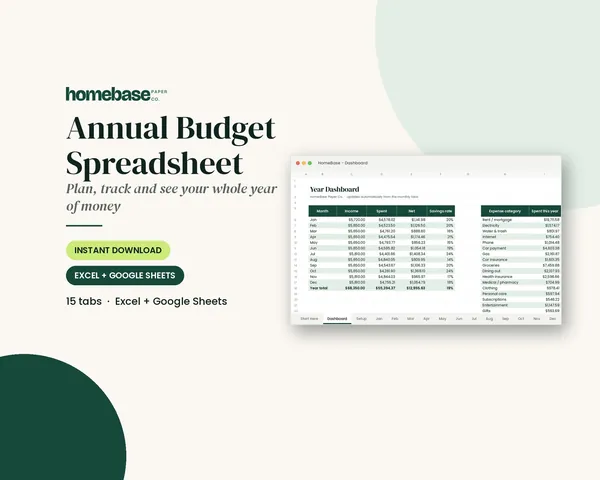
Annual Budget Spreadsheet
See exactly where your money goes every month - without complicated software.
Spreadsheets
Sinking Funds Tracker
It does the math: how much to set aside each month to hit every goal on time.
 Save 57%
Bundles
Ultimate Budget Bundle
All 6 spreadsheets + both printable planners - for less than half the price of buying them separately.
Frequently asked questions
How much does it cost to raise a child? It costs about $233,610 to raise a child from birth through age 17 for a middle-income, two-parent family, according to the USDA's latest estimate in 2015 dollars. Adjusted to 2025 prices with the BLS consumer price index, that's roughly $317,300 by our calculation. College is not included.
How much does it cost to raise a child per month? Raising a child costs about $1,080 a month on average for a middle-income family in 2015 dollars, based on USDA's $233,610 estimate over 18 years. In 2025 dollars that's about $1,470 a month by our CPI calculation. Teen years run higher, at about $1,575 a month.
How much does it cost to raise a child per year? A middle-income family spends about $12,350 to $13,900 a year per child, according to USDA's 2015 estimates. Adjusted to 2025 prices, that's roughly $16,800 to $18,900 a year by our calculation. Lower-income families spent $9,330 to $9,980 a year and higher-income families $19,380 to $23,380 in 2015 dollars.
What is the biggest cost of raising a child? Housing is the biggest cost of raising a child, making up 28% of the total for a middle-income family in USDA's estimate. Food comes next at 18%, followed by child care and education at 16% and transportation at 15%. Child care varies the most from family to family.
Does the cost of raising a child include college? No, the USDA cost of raising a child does not include college. The estimate covers birth through age 17 only. Tuition, room and board, and any help after 17 are extra, so plan college savings as a separate goal with its own monthly amount.
Is the USDA cost of raising a child estimate up to date? The USDA estimate is the most recent official figure, but it's dated: the latest report was published in 2017 for children born in 2015, and USDA says it is evaluating its methods. That's why we adjust the numbers with the BLS consumer price index and label the results as our own estimate.
How much more does it cost to raise a child today than in 2015? Prices rose about 36% from 2015 to 2025, based on the BLS consumer price index annual averages of 237.017 and 321.943. Applying that change, the USDA middle-income estimate of $233,610 becomes roughly $317,300 in 2025 dollars. This is our calculation, not an official USDA update.
Is it cheaper to raise more than one child? Yes, each added child costs less on average. USDA found that families with three or more children spent about 24% less per child than two-child families, while one-child families spent about 27% more per child. Kids share rooms, clothes and cars, and food costs less per person in bulk.
How much does it cost to raise a child as a single parent? USDA estimated $172,200 to raise a child from birth through 17 in a single-parent household earning under $59,200, in 2015 dollars. Adjusted to 2025 prices, that's roughly $233,900 by our CPI calculation. The amount depends heavily on child care and housing costs where you live.
How much does the first year of a baby cost? USDA's estimate for a middle-income family is $12,680 a year for ages 0 to 2 in 2015 dollars, or about $17,200 a year in 2025 dollars by our calculation. Your first year may be higher or lower depending on child care and gear. Our baby budget guide breaks the first year down line by line.
Where is it most expensive to raise a child? USDA found it was most expensive to raise a child in the urban Northeast, followed by the urban West and urban South. Costs were lowest in the urban Midwest and rural areas. Housing and child care prices explain most of the difference.
How much is the Child Tax Credit per child? The Child Tax Credit is up to $2,200 per qualifying child under 17 for the 2025 tax year, according to the IRS. Up to $1,700 of it is refundable for families with at least $2,500 of earned income. The full credit applies to income up to $200,000, or $400,000 if married filing jointly.
How do I budget for the cost of raising a child? Budget for a child by adding a kid line to each category in your monthly budget, pricing child care first and using sinking funds for once-a-year costs like school clothes and birthdays. The Annual Budget Spreadsheet ($6.99) and Sinking Funds Tracker ($4.99) make this easy to track all year.
How much should I save before having a baby? Before having a baby, aim to save a fuller emergency fund plus enough to cover the first few months of new costs like child care, gear and higher health care bills. Price your own local child care and insurance first. Then use a sinking fund to save toward that number month by month.
What costs are not included in the cost of raising a child? The USDA estimate leaves out college, prenatal care, fertility care, childbirth and adoption expenses, life insurance on parents and any costs after age 17. It also doesn't count a parent's lost income from cutting back on work. Treat the estimate as a planning floor, not a full price tag.
More from HomeBase
You may also like
Printables
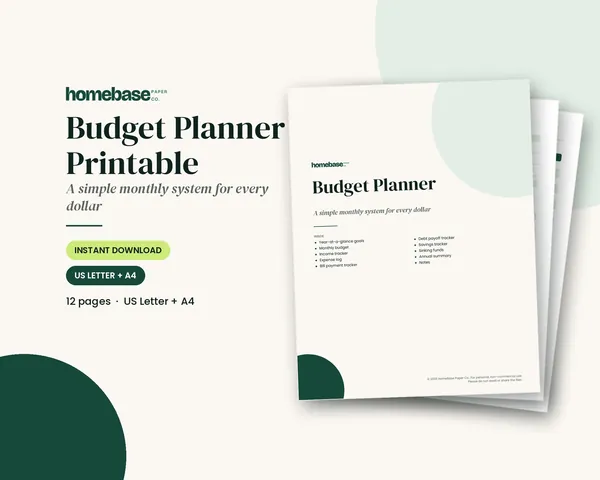
Budget Planner Printable
Twelve undated pages you can print every month: budget, bills, spending, savings and debt.
Spreadsheets
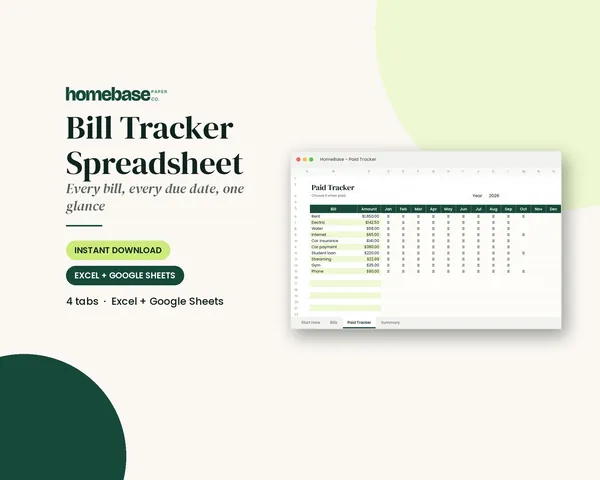
Bill Tracker Spreadsheet
Bills due in 3 days or less light up red, so nothing slips through.
Spreadsheets
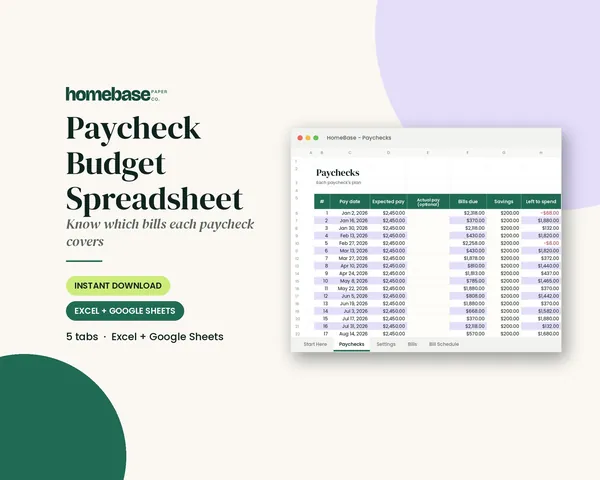
Paycheck Budget Spreadsheet
Enter your bills once. The sheet tells you which paycheck pays each one, all year.
Spreadsheets
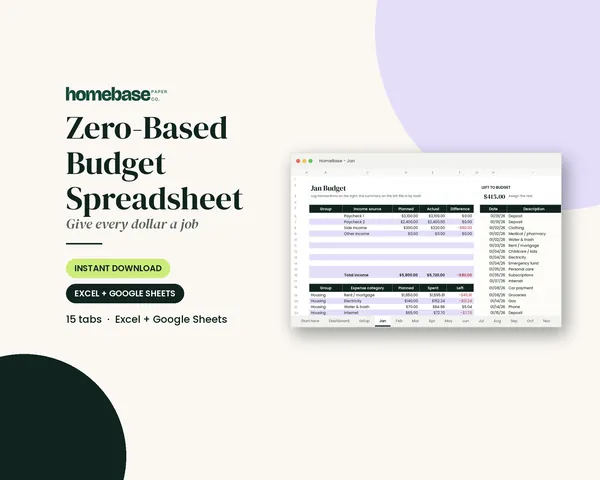
Zero-Based Budget Spreadsheet
The 'Left to budget' counter turns green when every dollar has a job.
 Club
Monthly club
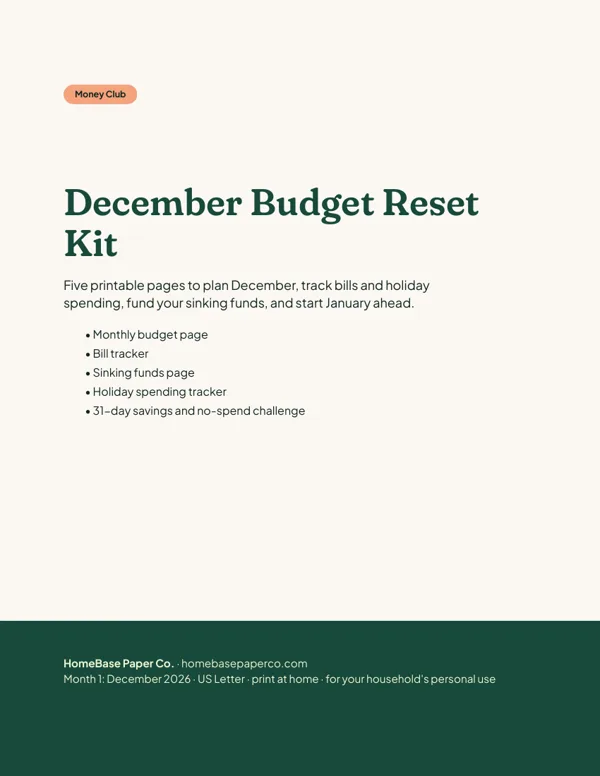
Money Club
Anyone who wants a clear plan for the month's bills, holiday spending and savings.
Free printable
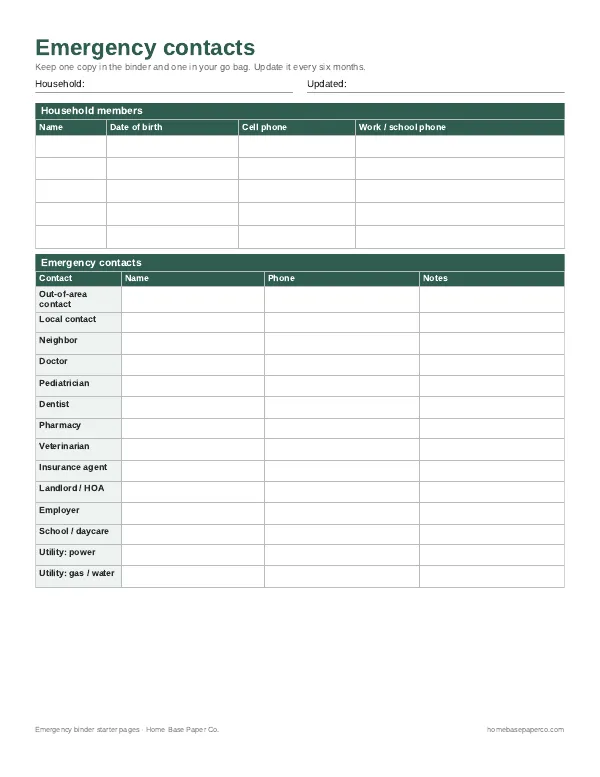
Have the important stuff in one place: get the free emergency binder pages
Printable starter pages for household members, emergency contacts, medical notes and where key documents live. You'll also get our weekly HomeBase email with simple ways to keep family records and important papers in order.